
Category: Thriller
-
Fjord Review: Cristian Mungiu Turns a Family Dispute Into a Moral Rorschach Test

In *Fjord*, Palme d’Or-winning filmmaker Cristian Mungiu turns a family’s child-rearing dispute into a provocative examination of faith, parental authority, and institutional bias. Starring Sebastian Stan and Renate Reinsve, this restrained, unsettling drama challenges audiences to question their own moral assumptions, asking where child protection ends and prejudice begins.
-
Your Mother Your Mother Your Mother Review: Mahershala Ali’s Hitman Thriller on Faith and Fatherhood

In an era dominated by sequels, reboots and re-releases, Bassam Tariq’s Your Mother Your Mother Your Mother arrives as something rare: a dense, original swing. Mahershala Ali stars as Latif, a devout Muslim hitman thrown into single fatherhood when his wife suddenly dies, setting off a chaotic chase across Houston for his infant daughter’s survival.…
-
Primetime (2026) Review: Justice as Spectacle
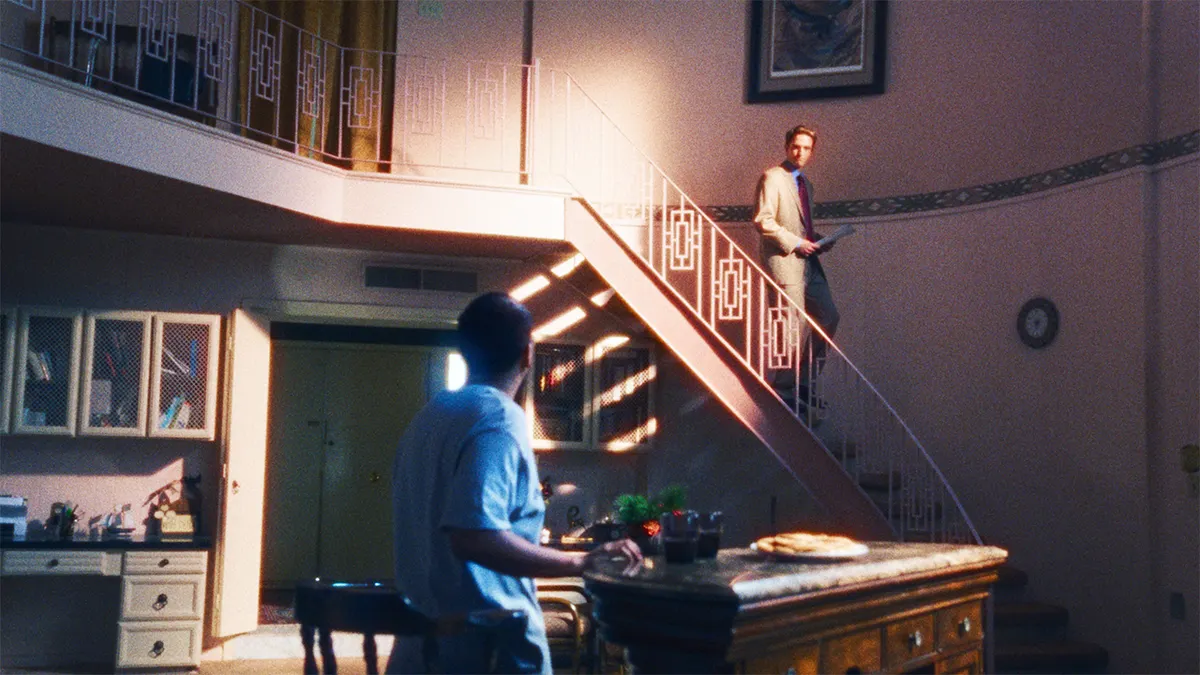
Lance Oppenheim’s narrative debut puts Chris Hansen and To Catch a Predator under a hallucinatory, darkly funny microscope. With Robert Pattinson as the man behind the famous line, Primetime asks where justice ends and spectacle begins, folding in entrapment, post-9/11 paranoia, and the ethics of turning a real sting into ratings. A fictional producer, a…
-
It Ends Review: Alexander Ullom Turns Existential Dread Into Horror

Alexander Ullom’s “It Ends” turns existential dread into an unsettling portrait of post-pandemic Gen-Z anxiety. With four friends trapped on an endless road, this deceptively simple horror film asks the question that’s perhaps scarier than any monster: what happens when the panic wears off and you’re still not sure what comes next?
-
The End of Oak Street Review: A Family Drama With Teeth (and Claws)
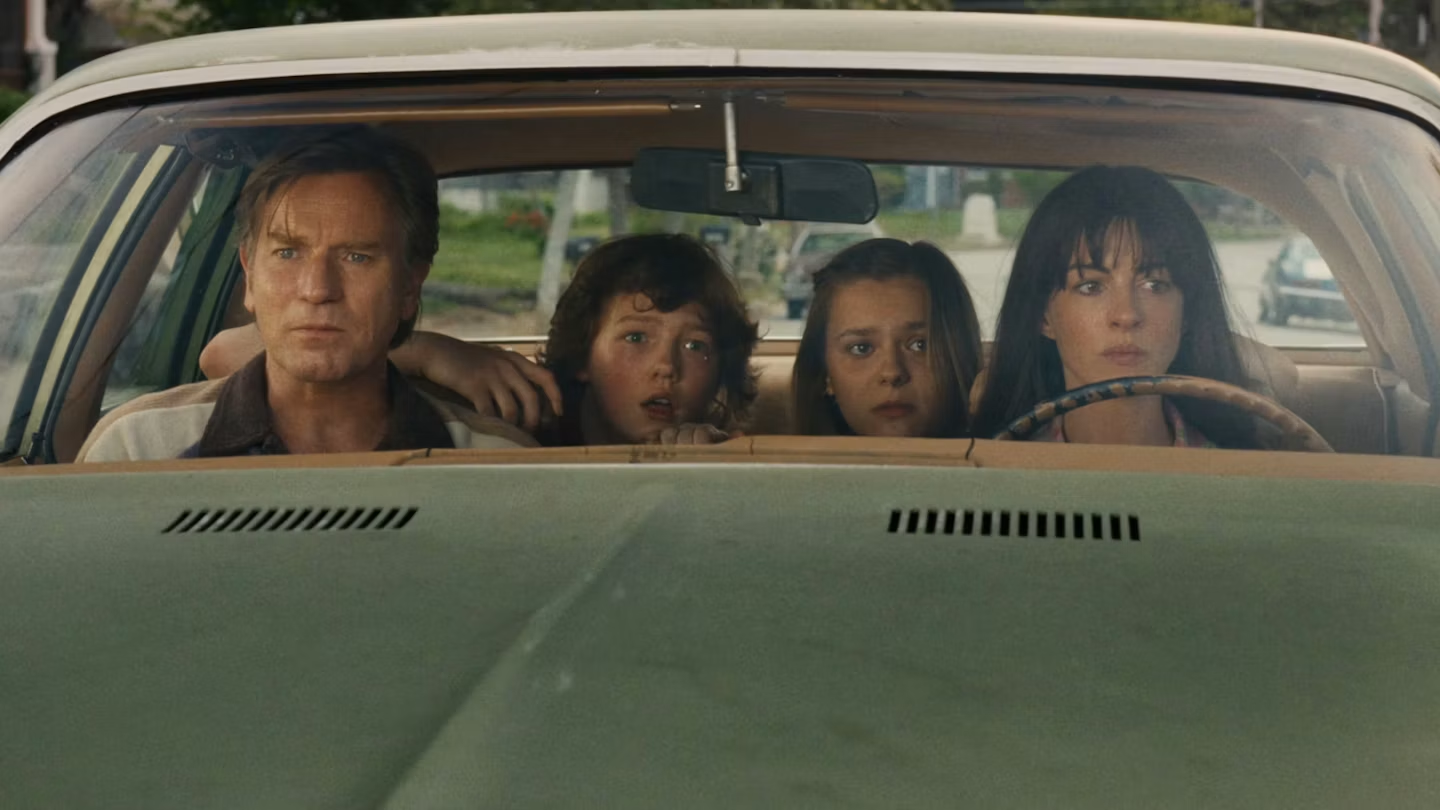
David Robert Mitchell’s “The End of Oak Street” markets itself as a nostalgic ’80s family adventure with a prehistoric twist — but underneath the dinosaur carnage is something considerably colder and more personal. In this review, 818 Lens breaks down how Mitchell subverts the Amblin formula he’s clearly indebted to, unpacks the mid-film gut-punch that…
-
Hokum Review: Adam Scott Anchors a Haunting Study of Guilt and Reality
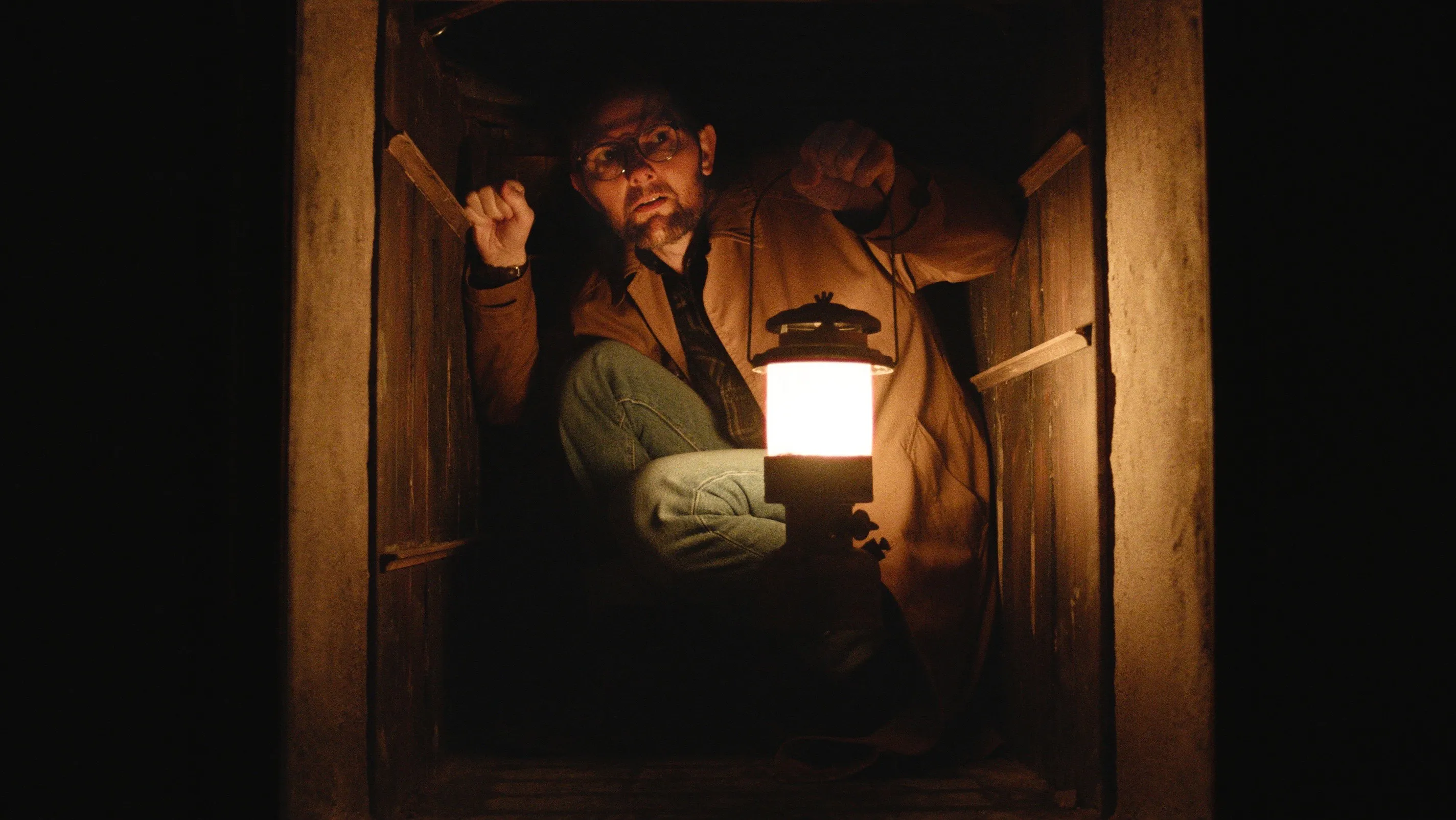
Hokum blends Irish folklore with psychological horror, using guilt and grief to blur the line between reality and the supernatural. Led by Adam Scott, Damian McCarthy delivers a haunting and emotionally grounded genre piece.
-
5 Film Reviews: From Indie Drama to Horror Chaos and Blockbuster Spectacle

A quick catch-up on five recent films spanning indie drama, documentary storytelling, horror spectacle, and blockbuster franchise filmmaking. From intimate character studies to chaotic genre thrills and nostalgic IP-driven entertainment, this roundup explores the range of tones and styles shaping today’s cinematic landscape.
-
Ready or Not 2: Here I Come Review — Radio Silence Expands Its Blood-Soaked Satire with Bigger Stakes and Sharper Family Chaos

Radio Silence returns with Ready or Not 2: Here I Come, expanding its blood-soaked horror satire with new families, bigger stakes, and a deeper focus on power and legacy. While the sequel mirrors much of the original’s structure, it finds new life through chaotic set pieces, sharp humor, and an emotional core centered on Grace’s…
-
Same America, Different Wounds: A Review of Slanted and The Gates

All film is political — but some films arrive at exactly the right moment, carrying exactly the right wounds. Slanted and The Gates, both released March 13th, tell the stories of people of color navigating a country that claims them and rejects them in the same breath. One transforms the body. The other traps it.…
-
Heel Review: Jan Komasa’s Twisted Psychological Thriller Explores Control, Generational Chaos, and the Cost of Forced Rehabilitation
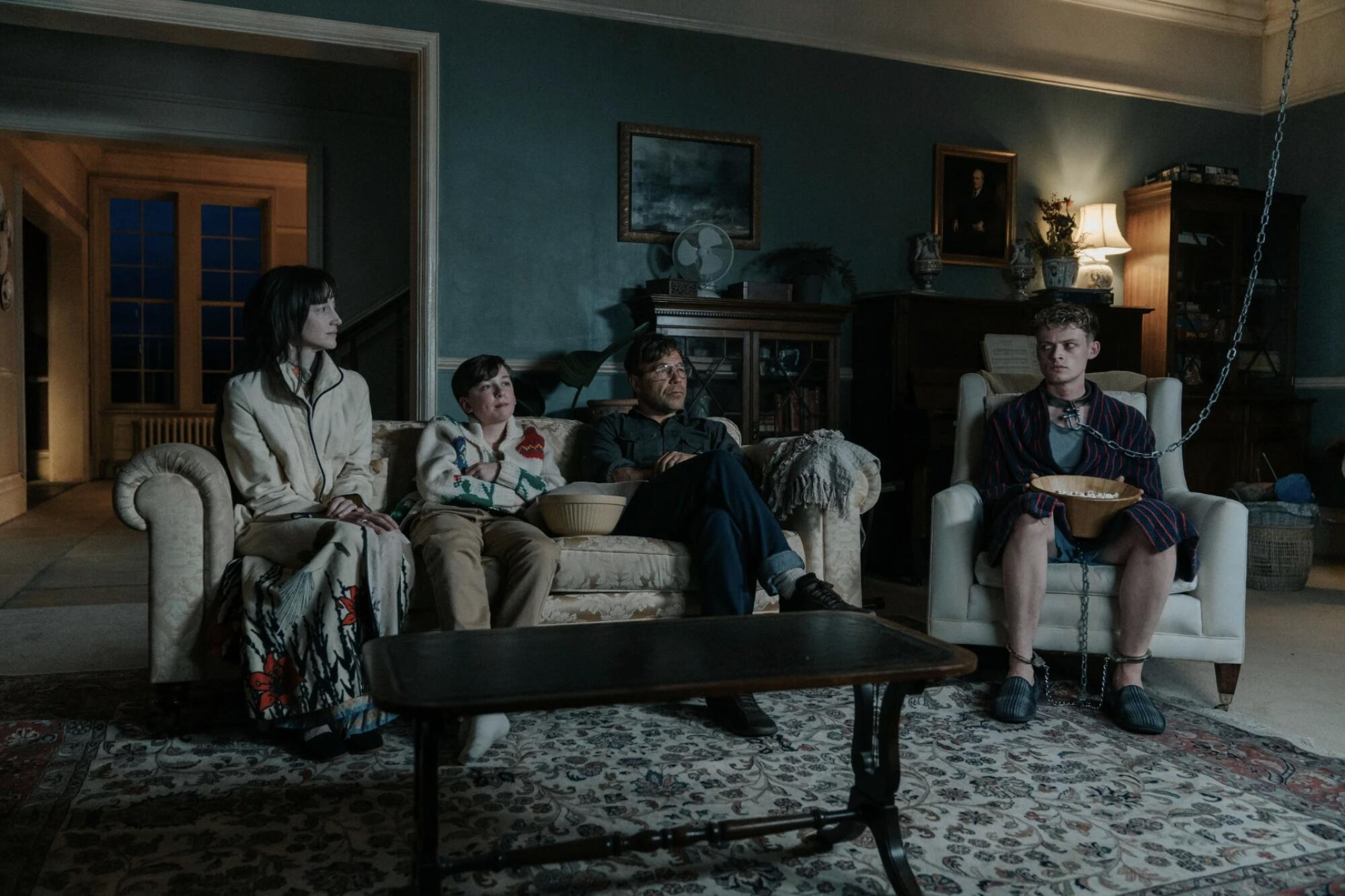
Formerly titled Good Boy, Heel sees director Jan Komasa crafting a psychologically unsettling examination of control, morality, and generational conflict. When a reckless 19-year-old influencer obsessed with online “clout” wakes up chained in the basement of a seemingly respectable family, what begins as a disturbing kidnapping evolves into something far more complex: a warped attempt…