Release Date: US theatrical release began Oct 15, 2025
Runtime: 104 minutes (1h 44m)
Rated: PG-13 — violence, smoking, thematic elements, strong language
Production Companies: Jafar Panahi Productions, Les Films Pelléas, Bidibul Productions, Pio & Co, Arte France Cinéma
Producers: Jafar Panahi, Philippe Martin
Editing: Amir Etminan
Music / Composer: Abdorreza Heidari
It Was Just an Accident (2025)
Director & Screenwriter: Jafar Panahi
Starring: Vahid Mobasseri, Mariam Afshari, Ebrahim Azizi, Hadis Pakbaten, Majid Panahi, Mohamad Ali Elyasmehr
One of the most essential skills in filmmaking is knowing how to end a story — to land it with resonance and finality. Jafar Panahi doesn’t just stick the landing; he commands the entire flight. One of the most politically engaged filmmakers working today, Panahi has long risked his freedom to make his art. It Was Just an Accident is no exception — and it’s easily one of the year’s best films. Shot discreetly in Iran against the government’s wishes and completed in post-production abroad, the film stands as both a work of art and an act of defiance.
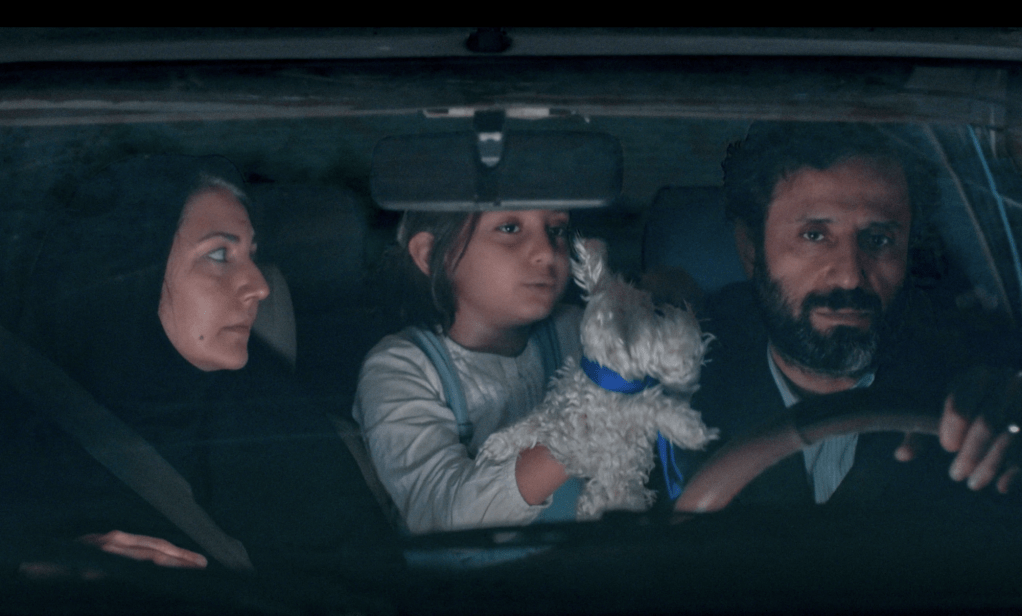
In retrospect, there’s so much to unpack — and it happens within minutes of the opening. Eghbal (Ebrahim Azizi) drives at night with his pregnant wife and young daughter when something darts across the road. The collision disables their car, forcing them to seek help at a nearby garage. That seemingly simple mishap becomes the catalyst for an escalating moral thriller — a chain of events propelled by vengeance, grief, sorrow, and uneasy forgiveness. Over a single, tightly wound day, Panahi unravels layers of emotion built on years of trauma.
Upstairs in the garage, an Azerbaijani mechanic named Vahid (Vahid Mobasseri) hears a sound. A squeak. A scrape. A faint metallic squeal — unmistakable. His face drains of color. In an instant, the sound yanks him into the past and ignites a burning suspicion: the man downstairs might be one of the torturers who brutalized him in prison. What follows is a slow-burn collision between recognition and uncertainty, revenge and restraint.
Though Vahid and Eghbal anchor the story, their encounter ripples outward. A bump in the road becomes the fissure that pulls in others — bystanders who are neither innocent nor uninvolved. What’s at stake is more than retribution; it’s memory, dignity, and the blurred line between justice and obsession.
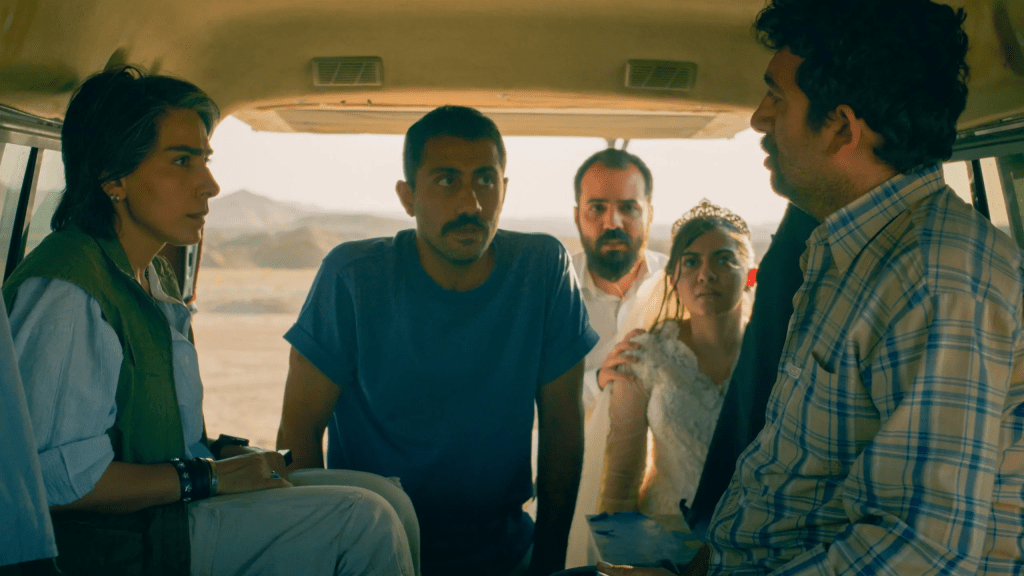
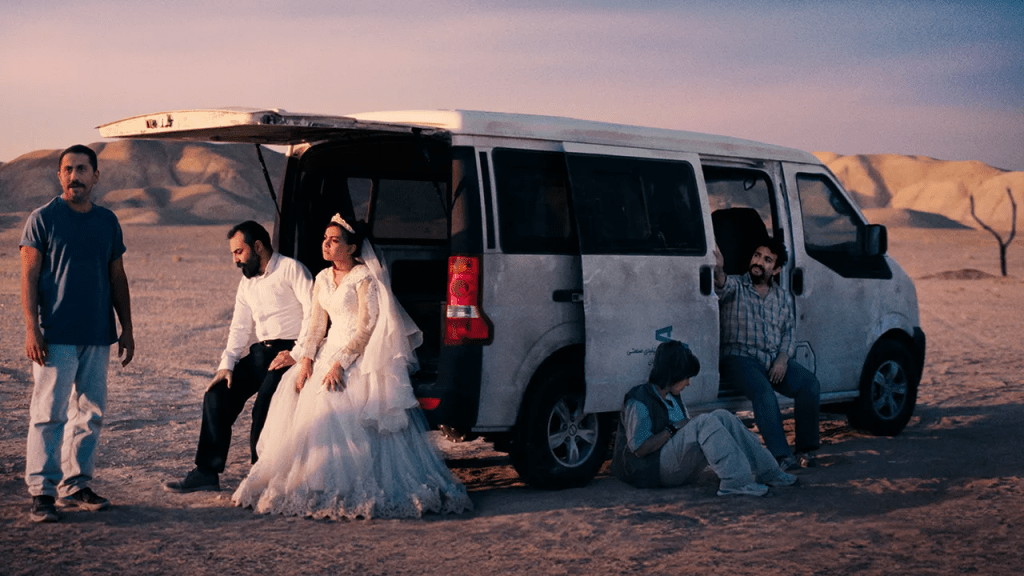
Panahi surrounds them with a superb supporting ensemble:
- Mariam Afshari as Shiva, a photographer caught between empathy and denial;
- Hadis Pakbaten and Majid Panahi as Golkroh and Ali, an engaged couple posing for Shiva’s camera;
- Mohamad Ali Elyasmehr as Hamid, Shiva’s ex-partner;
- and Delmaz Najafi as Eghbal’s daughter, the quiet witness to all this unrest.
Each actor grounds their character in lived-in realism, bringing depth to Panahi’s broader allegory of complicity and defiance. Together they form a community haunted by the regime’s shadow, struggling to decide how far conscience should go.
True to Panahi’s voice, flashes of humor pierce the tension. The comedy is never out of place — it’s sharp, deadpan, and sometimes uncomfortably timed, revealing the absurdity of survival under oppression. His trademark blend of rawness and restraint carries through the film’s look and sound: Amin Jafari’s handheld cinematography lends a grainy immediacy, while the editing by Amir Etminan keeps the tempo taut and deliberate.
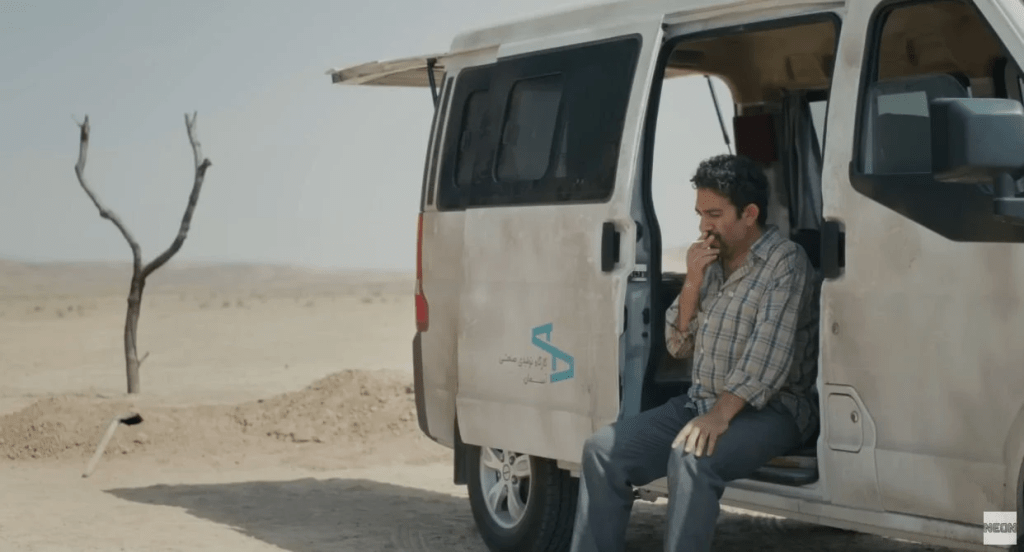
One of the film’s most ingenious devices is auditory. The faint creak of Eghbal’s prosthetic leg becomes a sonic motif — a ghost of violence past. Where most thrillers rely on physical evidence, Panahi turns sound into testimony. It’s both tangible and intangible, an echo of trauma that can’t be unseen or unheard. The film’s desert setting heightens this tension: stark beauty set against the unmarked ditch that threatens to become a grave. As the blocking grows more chaotic — particularly in the van scenes — the film mirrors its characters’ inner turbulence and the uncertainty of their moral pursuit.
How distinct is that sound? The survivors were blindfolded during their captivity; they can’t identify faces. All they have is a creak, a smell, a memory of touch — fragile evidence on which to gamble a man’s fate. The suspense builds around a question that refuses to resolve: did they capture their tormentor, or a stranger who simply reminds them of pain? The outcome forces both Vahid and Shiva to confront the limits of vengeance and the cost of certainty.
This is where It Was Just an Accident transcends revenge thriller conventions. It keeps you on edge, constantly realigning your empathy as the story deepens. The film’s authenticity — its very existence, shot in secret — gives every scene an added charge. Panahi turns filmmaking itself into an act of political resistance.

And that ending — the quiet, devastating punctuation to all that moral chaos — is a masterstroke. It lingers like an open wound, one that refuses to heal neatly.
Once again, Panahi proves himself one of the most fearless and vital filmmakers of our time. His experience, courage, and artistry converge here with astonishing clarity. It Was Just an Accident is both a searing political statement and a profoundly human story — proof that even under censorship, cinema can still speak truth to power.
 818 Lens