This year alone has brought an assortment of films reflecting the political and social climates of both the world at large and the United States in particular. While the deeper analysis of that collective will be tabled for now, one thing has become clear: the relevancy of films capturing the essence—or at least the proximity—of our current times continues to grow. It’s a phenomenon that may not be surprising, yet it’s worth recognizing within the context of their respective universes.
Cancel culture, and the idea of social media functioning as a kind of modern currency, has only become more pronounced in recent years. This is due, in part, to the radicalization of our current era, but also to the perceived power of those operating behind the glowing screens of their phones.
I’ve seen plenty of films this year that touch on this topic, and will be focusing on the ones that seemingly connect to the phenomenon of cancel culture—its power dynamics, its role as both antagonist and accessory, and the ways it mirrors real life.
Heart Eyes (2025)
Director: Josh Ruben
Starring: Olivia Holt & Mason Gooding
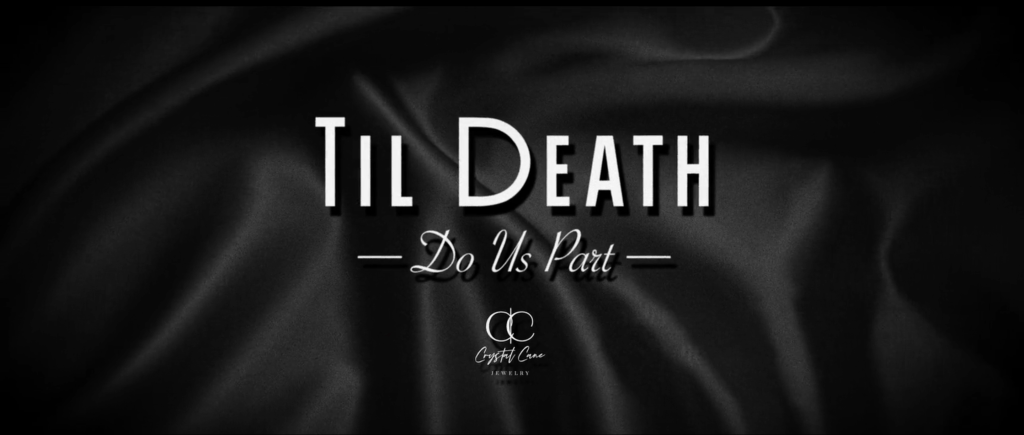
Let’s start with Heart Eyes, directed by Josh Ruben—a film that presents itself as a romantic comedy laced with horror (or perhaps the other way around). Set in Seattle, it follows the “Heart Eyes Killer,” a serial murderer targeting couples around Valentine’s Day.
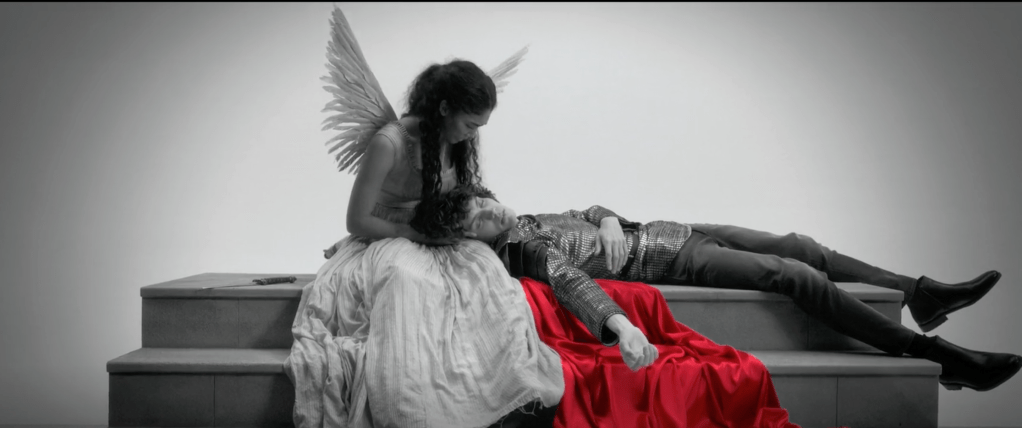
We first encounter this phenomenon through our protagonist, Ally McCabe (Olivia Holt), as she pitches a new marketing campaign centered on famously doomed lovers. Her idea is deemed insensitive in light of the ongoing murders, forcing her to collaborate with a freelancer, Jay Simmons (Mason Gooding), to rework it. Their differing takes on love—Ally’s cynicism versus Jay’s optimism—serve as both a source of creative tension and the spark of their relationship.
As small as this anecdote may seem within the film’s broader narrative, it reflects the professional and moral balancing act of creating something palatable to the public while navigating how easily messages can be misinterpreted in a world hypersensitive to tone.
Superman (2025)
Director: James Gunn
Starring: David Corenswet, Rachel Brosnahan, Nicholas Hoult
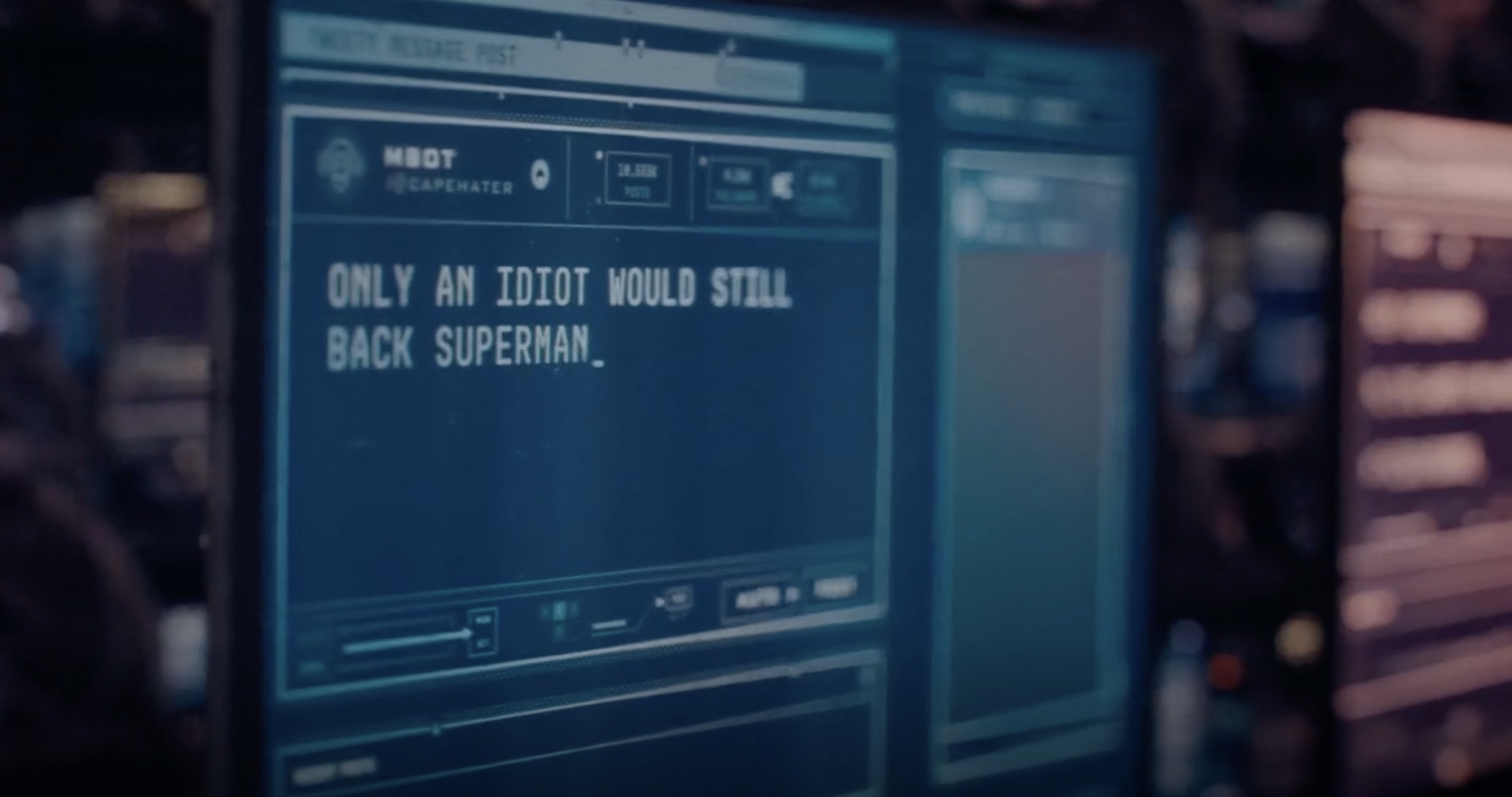
Next comes Superman, directed by James Gunn. It might seem unlikely that a superhero film would have anything to do with cancel culture or social media, but it absolutely does—especially being set in the present day.
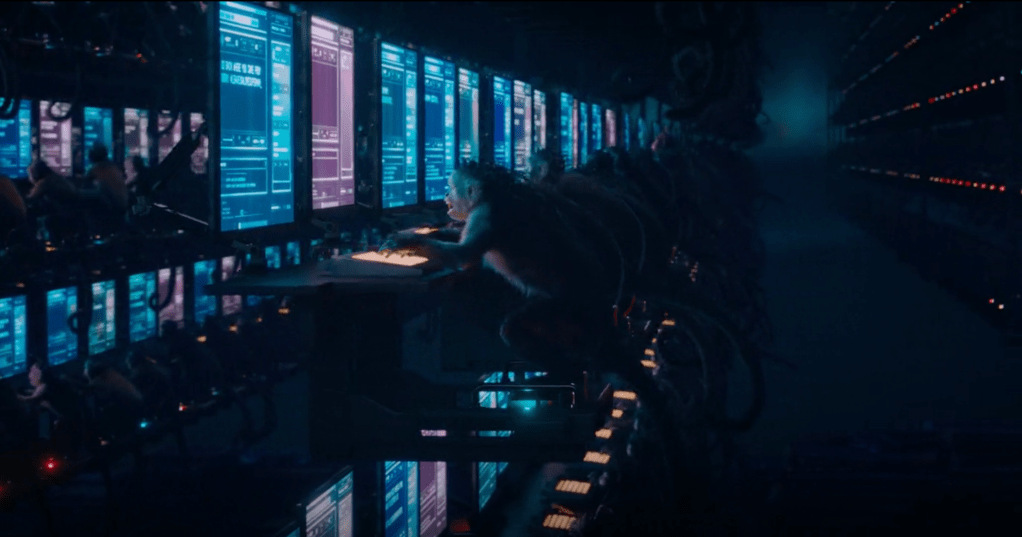
This iteration of Superman (played by David Corenswet) finds himself embroiled in a swirl of online discourse and backlash. Much of the emotional weight in the film comes not from physical battles, but from the psychological strain of constant public scrutiny—amplified by social media commentary. The twist? Much of this outrage is being orchestrated by Lex Luthor (Nicholas Hoult) and his so-called “typewriting monkeys,” operating as digital troll farms spreading misinformation, eerily mirroring real-world disinformation campaigns and AI-driven manipulation.
It’s a sharp metaphor for how online echo chambers can destroy reputations in seconds, weaponizing discourse not just against public figures, but their communities. Gunn’s film doesn’t just challenge Superman’s strength—it tests his emotional and ideological resolve in the face of manufactured outrage.
Eddington (2025)
Director: Ari Aster
Starring: Joaquin Phoenix, Pedro Pascal, Emma Stone, Austin Butler
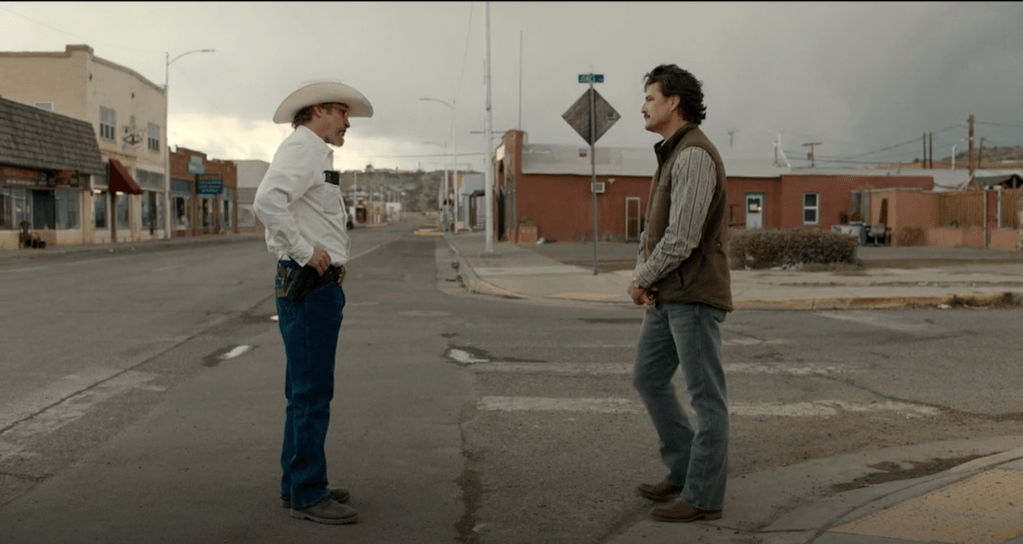
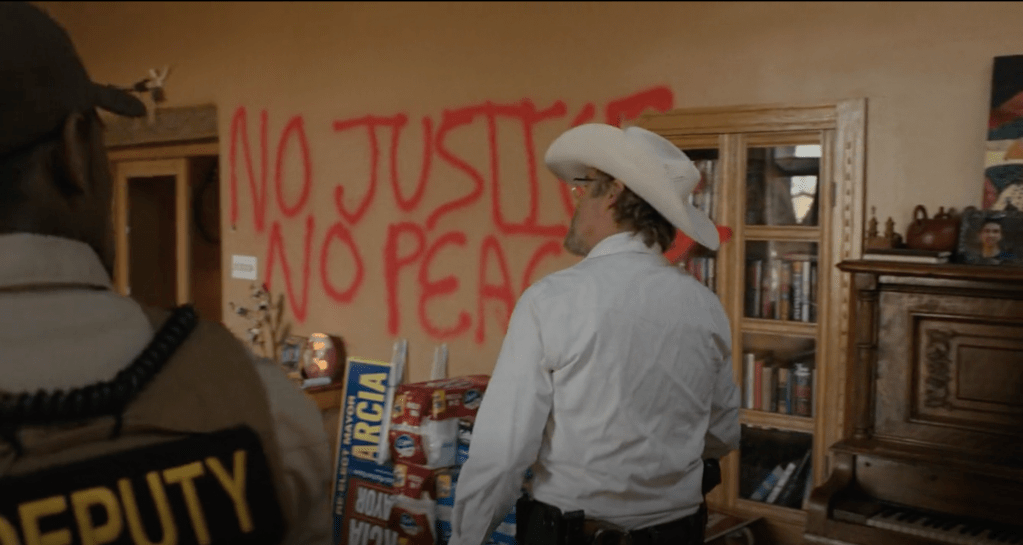
Then there’s Eddington, from the ever-provocative Ari Aster. Set against the backdrop of 2020, the film becomes a microcosm of the United States during the height of pandemic chaos. While much of it is anchored in that turbulent year, the themes reverberate into the present—polarization, disinformation, performative activism—all dramatized with Aster’s signature blend of satire and discomfort.
Sheriff Joe Cross (Joaquin Phoenix) and Mayor Ted Garcia (Pedro Pascal) face off in this neo-western fever dream that’s as ludicrous as it is brilliant. I’ll admit, it wasn’t a film I initially loved, but it’s one I’ve come around to appreciate for its unflinching portrayal of collective madness. It scrutinizes both ends of the political spectrum, exposing the caricatures and contradictions in every ideology.
Aster holds up a mirror to the chaos of the time: BLM protests, anti-mask rebellion, conspiracy cults, trafficking hysteria—each thread weaving into a reflection of how society spiraled into division. It’s not an easy film to watch, but it’s one that captures a moment in history with unsettling accuracy.
Lurker (2025)
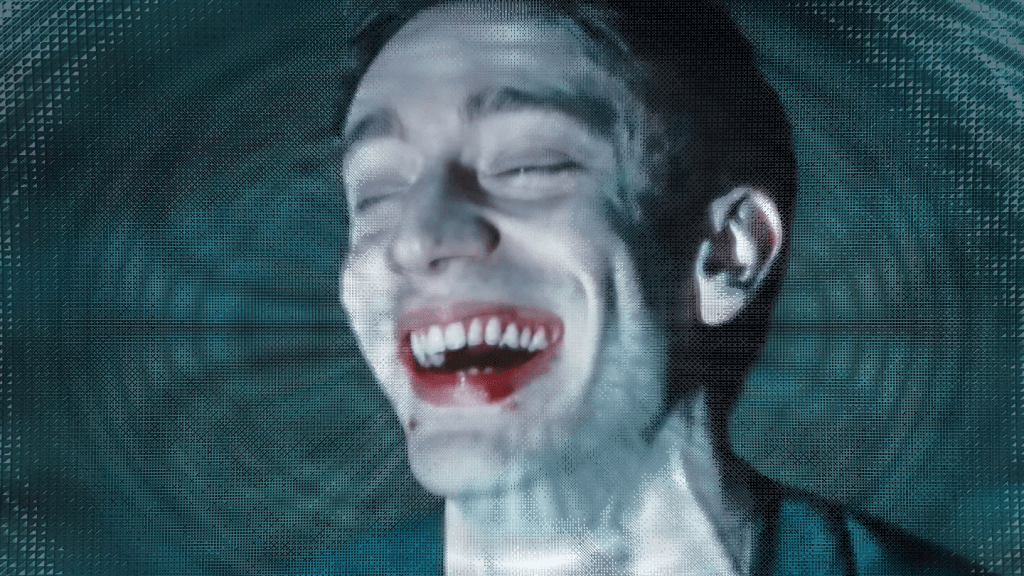
Director: Alex Russell
Starring: Théodore Pellerin & Archie Madekwe
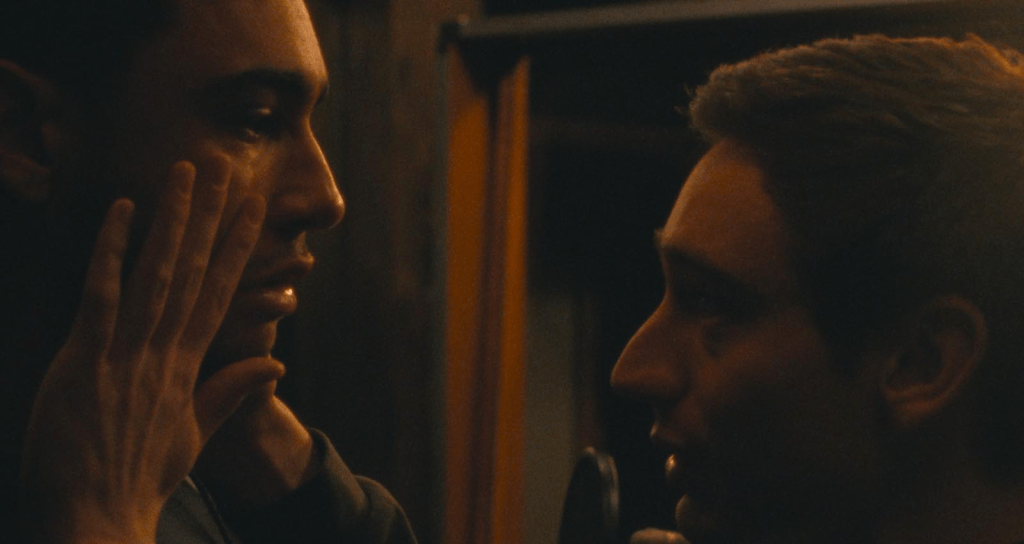
The next film, Lurker, directly examines parasocial relationships—the shadow offspring of cancel culture and the omnipresence of social media. Directed by Alex Russell, it follows Matthew (Théodore Pellerin), an ordinary man living in Los Angeles who worms his way into the life of rising pop star Oliver (Archie Madekwe).
Matthew’s manipulative ambition drives him to blackmail Oliver with scandalous footage, exploiting the modern fear of public ruin. For Oliver, whose image and livelihood depend on public approval, the threat is existential. As Matthew tightens his grip, the film probes the fragility of fame and the illusion of loyalty in an age where followers often replace friends.
By the end, Lurker leaves viewers questioning whether Oliver’s curated life was ever real—or if Matthew, in his warped pursuit of recognition, was the only one willing to puncture that illusion. The film’s portrayal of social media as both weapon and mirror makes it one of the sharpest entries in this ongoing conversation.
Highest 2 Lowest (2025)
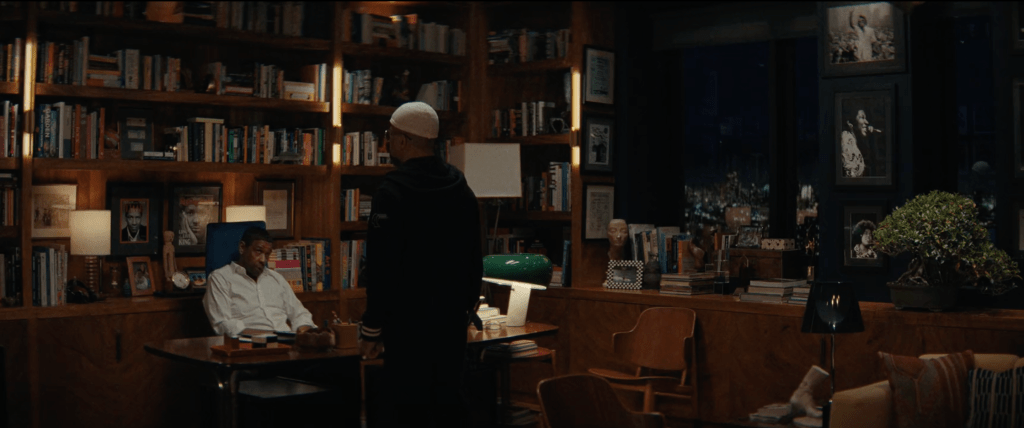
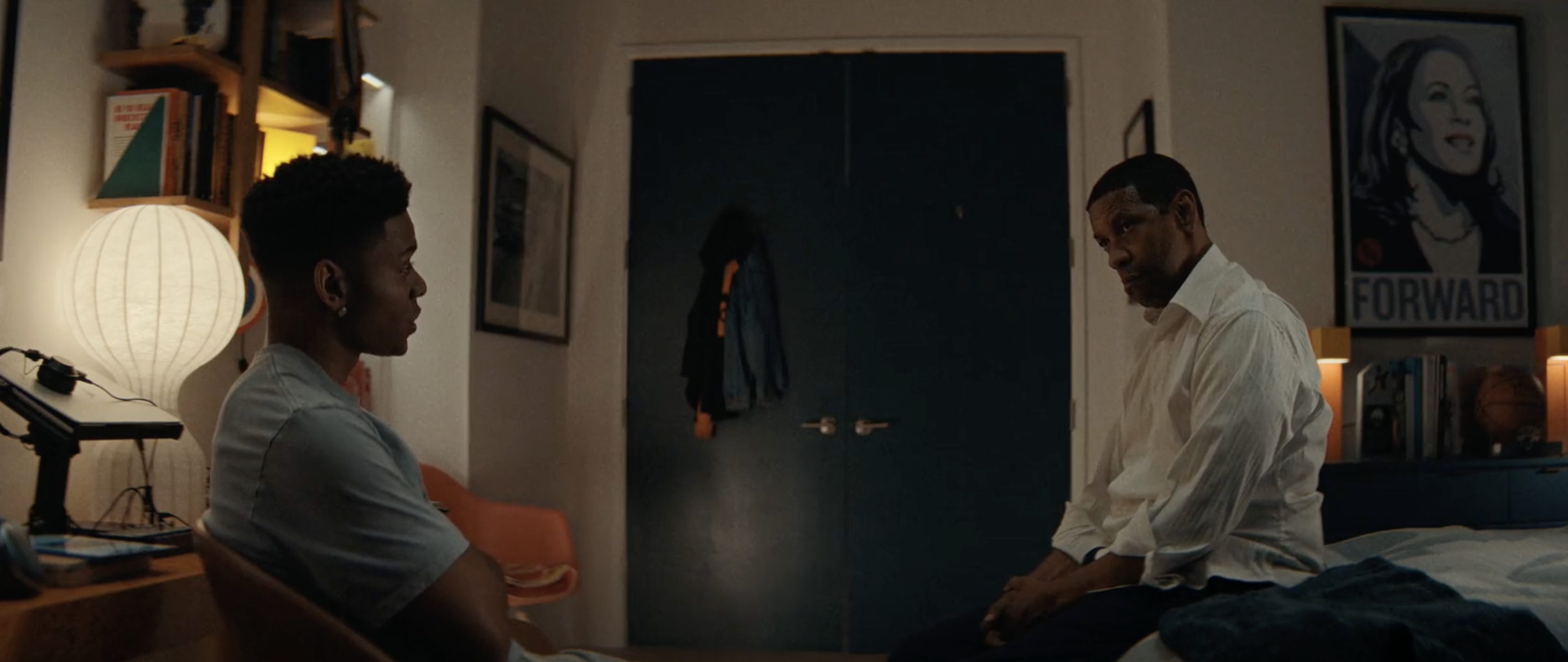
Director: Spike Lee
Starring: Denzel Washington & Jeffrey Wright
Spike Lee’s Highest 2 Lowest offers another lens through which to examine the phenomenon. David King (Denzel Washington), a revered New York music mogul, faces a moral and financial crisis as he tries to reclaim majority ownership of his label, Stackin’ Hit Records.
When his son Trey and his driver’s son Kyle are kidnapped, King must decide who he’s truly responsible for saving—and what that choice will cost him. The fallout unfolds publicly, with social media commentary turning the moral dilemma into a spectacle. The film juxtaposes the generational divide between King and Kyle, exploring how both experience cancel culture differently: King through reputation and legacy, Kyle through virality and peer perception.
Lee’s film weaponizes public perception itself, exposing how the court of social opinion can destroy even the most powerful. Through his lens, cancel culture becomes both a social equalizer and a modern form of exile.
After the Hunt (2025)
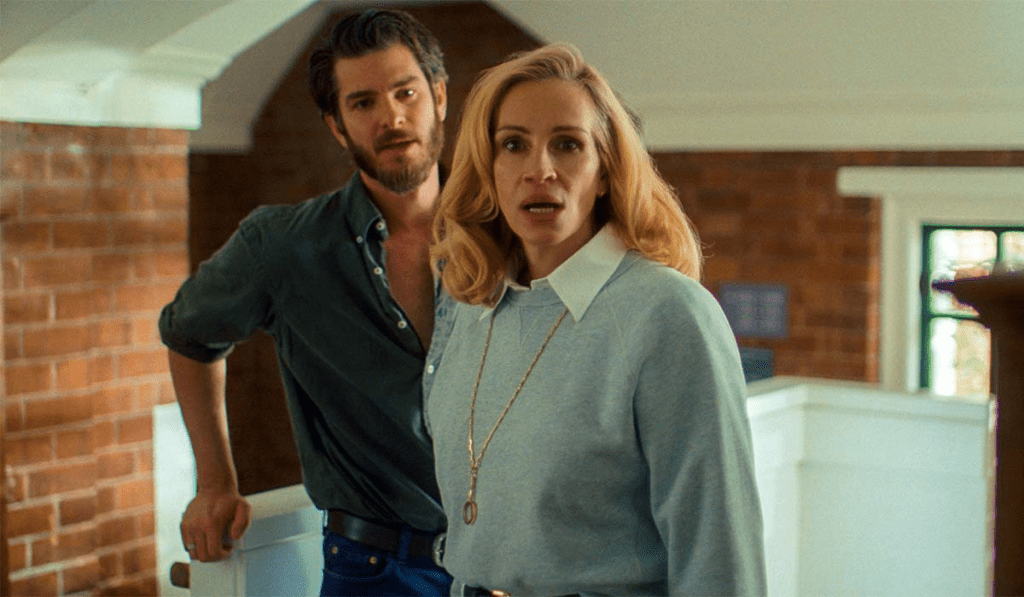
Director: Luca Guadagnino
Starring: Julia Roberts, Andrew Garfield, Ayo Edibiri
Most recently, Luca Guadagnino’s After the Hunt—starring Julia Roberts, Andrew Garfield, and Ayo Edebiri—tackles cancel culture through the lens of the #MeToo movement. It examines the power dynamics behind accusations and the murky space between accountability and exploitation.
Without delving into spoilers (I’ll have a full review later this week), the film asks whether the mechanisms of justice within social media outrage truly serve victims—or if they’ve become another form of performance, where truth competes with virality. It’s one of Guadagnino’s most psychologically charged works, where the consequences of online perception ripple far beyond the screen.
I don’t claim to be breaking new ground by pointing out this recurring formula. These themes—cancel culture, digital identity, moral polarization—are already embedded in the films themselves. But what fascinates me is how frequently they appear and how they’re being weaponized as narrative tools.
Across all these films, social media and cancel culture operate as more than background noise—they’re the catalyst, the omnipresent antagonist, or the invisible hand steering the story. This mirrors our reality, where outrage and validation coexist, and where perception often overshadows truth.
It would be intriguing to see a film where these same forces are used constructively—to expose injustice or create solidarity—rather than as tools of chaos. For now, though, filmmakers seem drawn to exploring their darker implications, perhaps because that’s the most honest reflection of the world we’re living in.
Social media today isn’t the same as it was in the early 2010s. Back then, it was about community, connection, and creative expression. Now, it’s become a marketplace of identity—a blend of marketing, propaganda, and public trial.
As we continue to see these themes on screen, one has to wonder: Why is social media so often depicted as the villain? Maybe because it often is.
 818 Lens