Release Date: August 8, 2025
Runtime: 111 minutes (~1h 51min)
Rated: PG — for thematic elements, rude humor, language, mild suggestive references.
Production Companies: Walt Disney, Gunn Films, Burr! Productions
Producers: Kristin Burr, Andrew Gunn, Jamie Lee Curtis
Cinematography: Matthew Clark
Editing: Eleanor Infante
Music / Composer: Amie Doherty
Freakier Friday (2025)

Director: Nisha Ganatra
Writer: Screenplay by Jordan Weiss (story by Elyse Hollander & Jordan Weiss)
Starring: Jamie Lee Curtis, Lindasy Lohan, Julia Butters, Sophia Hammons, Manny Jacinto, Mark Harmon, Chad Michael Murray, Maitreyi Ramakrishnan
It’s easy to expect, with yet another Hollywood redo, that Freakier Friday might amount to nothing more than a nostalgic cash grab. And, to some extent, it still dips a toe in those waters — but it does so with a certain charm and genuine heart. With Jamie Lee Curtis and Lindsay Lohan returning to their iconic roles, the film picks up almost seamlessly, their chemistry intact as if no time has passed. What could have been pure fan service instead prioritizes a playful, expanded storyline — this time involving four characters swapping bodies — that stretches the family dynamic and explores the challenge of bonding with relatives who aren’t connected by blood.
Jamie Lee Curtis once again proves why she’s the comedic anchor of the Freaky Friday franchise. In this sequel, she delivers the top comedic performance, seamlessly slipping into the role of go-to comic relief without undercutting the film’s emotional beats. The entire cast handles the body-swapping hijinks with charm—especially given the added complexity of this story’s switch.
Here, the swap isn’t just between mother and daughter. Curtis’s and Lohan’s characters—already veterans of the swap from the first film—are now inhabiting the bodies of two younger girls (Julia Butters and Sophia Hammons). That twist allows for fresh comedy and heartfelt moments as these seasoned characters navigate a swap that’s both familiar and unfamiliar. There’s an added layer of continuity here: they’ve experienced this before, but this time the dynamic shifts as they adapt to the lives of two kids who are worlds apart from them. The emotional heart of the film emerges when the younger characters begin to truly grasp the complexity of each other’s lives. Through these new perspectives, realizations about family, empathy, and personal identity unfold, lending the comedy real depth.
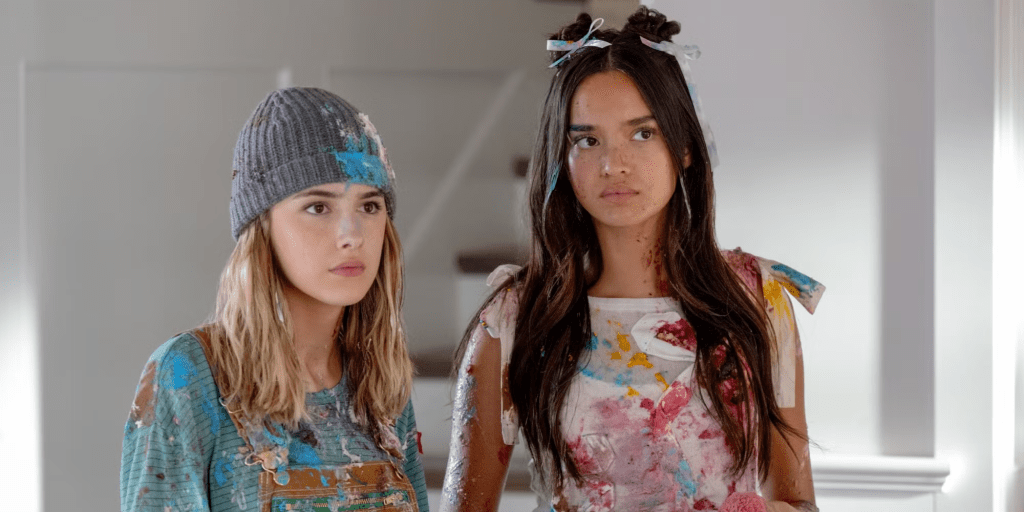
Julia Butters and Sophia Hammons step in as sharp, fresh voices of a younger generation, grounding the story in the now. Their performances keep the film topical and pop-culture-savvy, peppered with timely references, quick-witted dialogue, and a soundtrack that nods to both current hits and early-2000s teen movie staples. The humor mines a lot from the generational push-and-pull — watching the older generation navigate teen life in a tech-saturated, slang-filled world, and the younger generation suddenly tasked with adult responsibilities and limitations. The result is not only funny, but often insightful.
Director Nisha Ganatra doesn’t reinvent the wheel stylistically, but that’s intentional. She leans into the familiar tone and visual style of the original, striking a balance between nostalgia and freshness. Cinematography, camera work, and editing are all solid, delivering exactly what’s expected from a family-friendly body-swap comedy. The occasional stumble comes from certain story beats, but these are outweighed by the film’s humor, energy, and thematic resonance.
One standout connection to the first film comes through music. Anna’s (Lohan) music career and ambitions return as a key subplot, alongside the reappearance of Chad Michael Murray’s Jake—who plays a pivotal role in the girls’ plan. The film builds toward a performance sequence that ties music into the emotional arc, giving audiences both a fun set piece and a moment of personal realization for Anna’s daughter. It’s also a clever callback to Lohan’s musical moments from the original, with just enough of a twist to feel fresh.

True to Disney form, Freakier Friday leans hard into the idea of family, blending the cozy comfort of an early-2000s family comedy with a fresher perspective. It plays with the same body-swap conceit as before but updates the world Anna and Tess inhabit — smartphones, current-day lingo, and modern fashion trends — while still keeping the emotional beats timeless. Ganatra balances pacing and sentiment, hitting the comedic highs without skimping on tender moments.
The best scenes explore the empathy that comes from literally living in someone else’s skin. Harper and Lily’s original mission to split up their parents falters as they gain a firsthand understanding of the complexities behind the adults’ choices. It’s in these moments — a teenager realizing her step-parent is more than just an “intruder,” an adult recognizing the pressures of growing up in today’s hyper-online culture — where the film transcends its premise. The movie doesn’t just rest on hijinks; it digs into the emotions driving its characters.
While a few bits of modern-day dialogue lean into cringe territory, they never derail the story. In fact, they serve as a reflection of today’s tech-savvy, hyper-connected world. It’s part of what makes Freakier Friday equally appealing to two distinct audiences — fans of the original and a new generation of viewers. Kids and first-time watchers will find plenty to enjoy, while returning fans will appreciate the way the sequel honors its predecessor.
It’s a fine example of how studios can revisit established IP without alienating original fans. Ganatra and her cast deliver a film that understands the assignment: make it funny, make it heartfelt, and keep the music — and the magic — playing.
 818 Lens