How far has horror come as a genre? In 2025 alone, the answer feels expansive, chaotic, and thrillingly unpredictable. This was a year where horror refused to be boxed in — stretching across subgenres, tones, and perspectives, often bleeding into spaces it historically wasn’t allowed to occupy.
From reboots and long-awaited sequels to deeply personal, experimental, and genre-defying originals, horror proved once again that it’s one of the most flexible and emotionally resonant modes of storytelling we have. Whether it was a dog’s point of view, a love story warped by body horror, or a vampire musical set in the Jim Crow South, this year offered something for everyone — and often something uncomfortable, too.
We saw familiar franchises return with renewed purpose (I Know What You Did Last Summer, Final Destination: Bloodlines, Five Nights at Freddy’s 2), while bold auteurs and emerging voices pushed the genre into new emotional and thematic territory. Horror wasn’t just about fear this year — it was about grief, community, intimacy, technology, desire, control, and survival. Even films not traditionally categorized as horror found themselves borrowing its language, its imagery, and its emotional intensity.
Box office successes like Sinners, Weapons, The Conjuring: Last Rites, and Final Destination: Bloodlines reaffirmed the genre’s commercial strength, while smaller, riskier projects reminded us why horror continues to be the most creatively fertile space in contemporary cinema.
And while narrowing this list down to twenty-five was no easy task, a few notable titles narrowly missed the cut — films like Dangerous Animals, The Rule of Jenny Penn, Presence, and Jimmy and Stiggs, each offering something distinct and memorable in their own right.
What follows is not just a ranking, but a reflection of a year where horror stretched its limbs, bared its teeth, and reminded us why it remains one of the most vital cinematic languages we have.
25. Drop
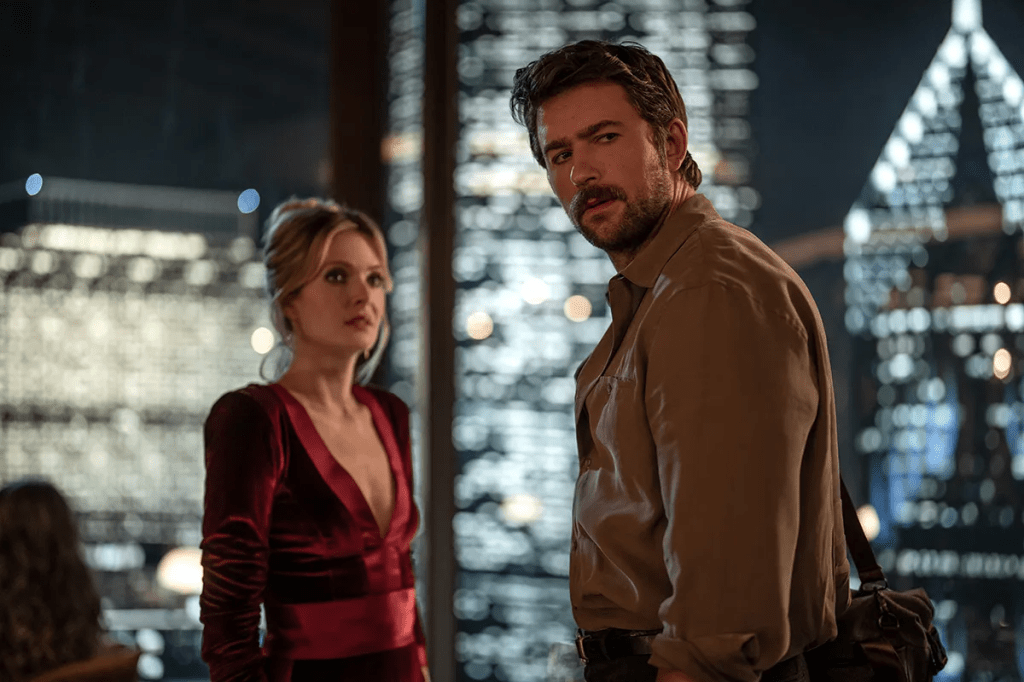
Director: Christopher Landon
Writers: Jillian Jacobs & Chris Roach
Cast: Meghann Fahy, Brandon Sklenar, Violett Beane, Gabrielle Ryan, Reed Diamond
Sometimes the simplest stories hit the hardest — and Drop thrives precisely because it understands that restraint can be a strength. In an era where horror often leans toward dense metaphor or layered social allegory, Christopher Landon strips things back to something far more primal: tension, pacing, and clean execution. And somehow, that simplicity becomes its own statement.
Drop doesn’t pretend to be something it isn’t. Instead, it leans confidently into the pleasure of a well-constructed thriller, one that moves with intention and trusts its audience to stay locked in without needing constant escalation. There’s a classical quality to its structure — almost old-school in the way it builds suspense — but it still feels very much of this moment, tapping into contemporary anxieties without overstating them.
Landon proves once again that accessibility doesn’t equal shallowness. Beneath the streamlined narrative is a film that understands rhythm, character tension, and the quiet power of anticipation. It may not scream for awards attention, but it earns its place through craft, control, and an awareness of exactly what kind of experience it wants to deliver. Sometimes horror doesn’t need to be loud — it just needs to know when to strike.
24. Heart Eyes
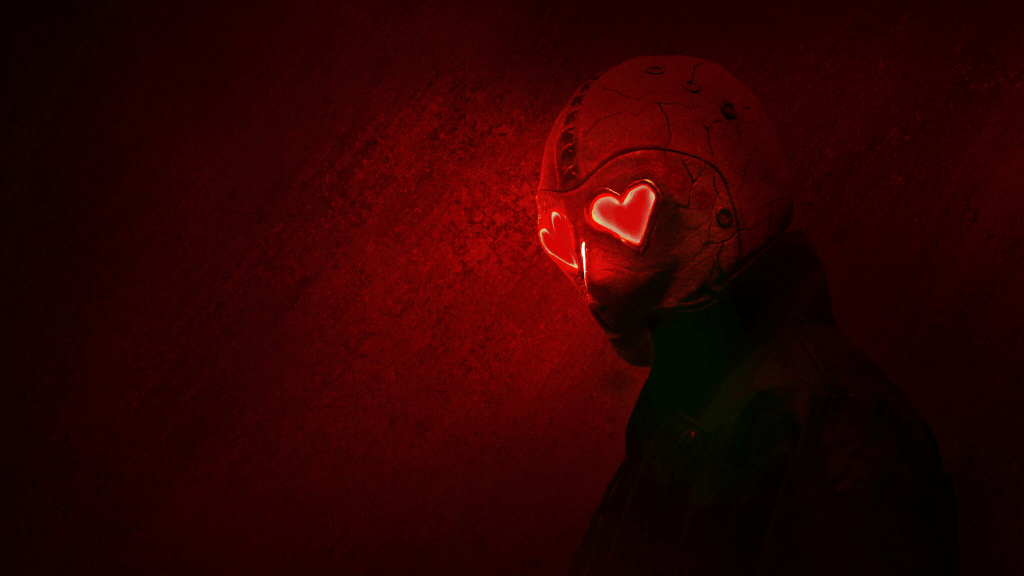
Director: Josh Ruben
Writers: Phillip Murphy, Christopher Landon & Michael Kennedy
Cast: Olivia Holt, Mason Gooding, Gigi Zumbado, Devon Sawa, Jordana Brewster, Yoson An
If Drop thrives in restraint, Heart Eyes thrives in excess — of emotion, of satire, of blood, and of romance gone violently wrong. Josh Ruben takes the language of the romantic comedy and gleefully slashes it open, stitching it back together with slasher logic and genre self-awareness.
At the center of the chaos is Ally (Olivia Holt), a marketing professional burned out on love and irony alike, who finds herself entangled in both a work partnership and a murder spree targeting couples on Valentine’s Day. What could’ve easily played as a gimmick instead becomes a clever deconstruction of romantic tropes — how we sell love, fear it, crave it, and often weaponize it against ourselves.
Ruben understands the symmetry between romance and horror: both rely on vulnerability, anticipation, and the fear of rejection or death. The film thrives in that overlap, balancing humor and brutality without undercutting either. Beneath the camp and carnage is a surprisingly sincere examination of intimacy in a culture obsessed with performance. Heart Eyes doesn’t just parody love — it interrogates it, stab wound by stab wound.
23. Black Phone 2
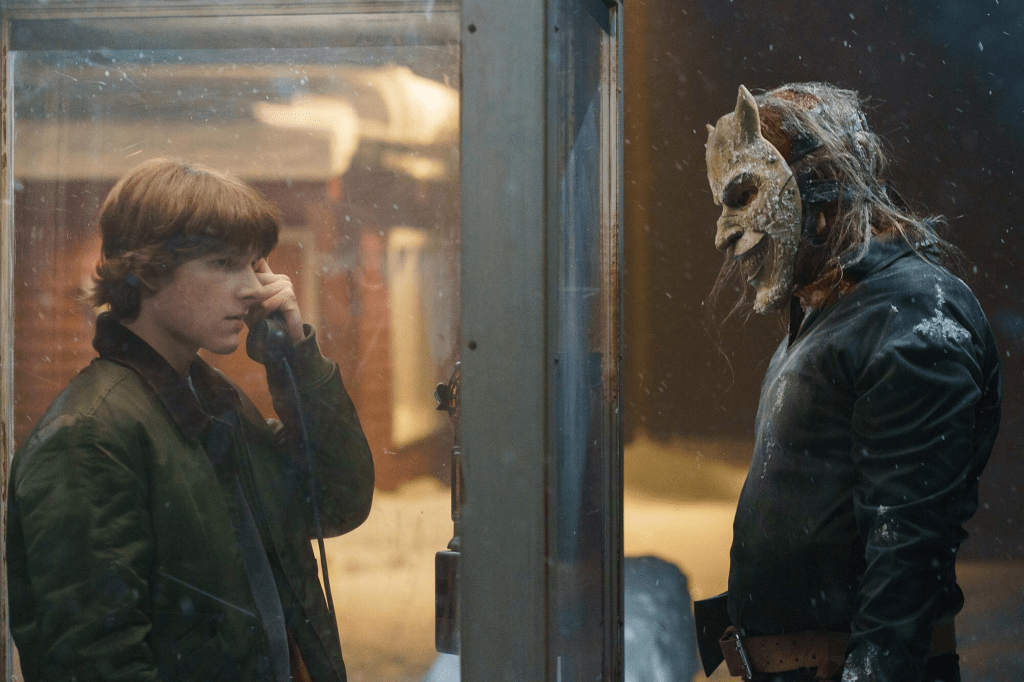
Director: Scott Derrickson
Writers: Scott Derrickson & C. Robert Cargill
Cast: Mason Thames, Madeleine McGraw, Ethan Hawke, Demián Bichir, Miguel Mora, Arianna Rivas
Returning to the world of The Black Phone could’ve felt unnecessary — but Scott Derrickson finds new emotional territory by refusing to let trauma stay buried. This sequel leans less on shock and more on psychological residue, examining what happens after survival, when fear doesn’t disappear but instead mutates.
Drawing clear influence from A Nightmare on Elm Street, the film leans into dream logic and fractured memory, using atmosphere as its primary weapon. Ethan Hawke’s Grabber looms large once again, but it’s the internal struggles of Finney and Gwen that give the film its weight. Their bond — shaped by shared terror — becomes the emotional backbone of the story.
Derrickson’s use of grainy textures and haunting imagery gives the film a haunted, almost bruised quality. It’s not just about escaping the monster anymore; it’s about living with what the monster leaves behind. In that sense, The Black Phone 2 feels less like a sequel chasing scares and more like a meditation on trauma, memory, and survival.
22. The Shrouds
Director & Writer: David Cronenberg
Cast: Vincent Cassel, Diane Kruger, Sandrine Holt, Jennifer Dale, Guy Pearce, Elizabeth Saunders
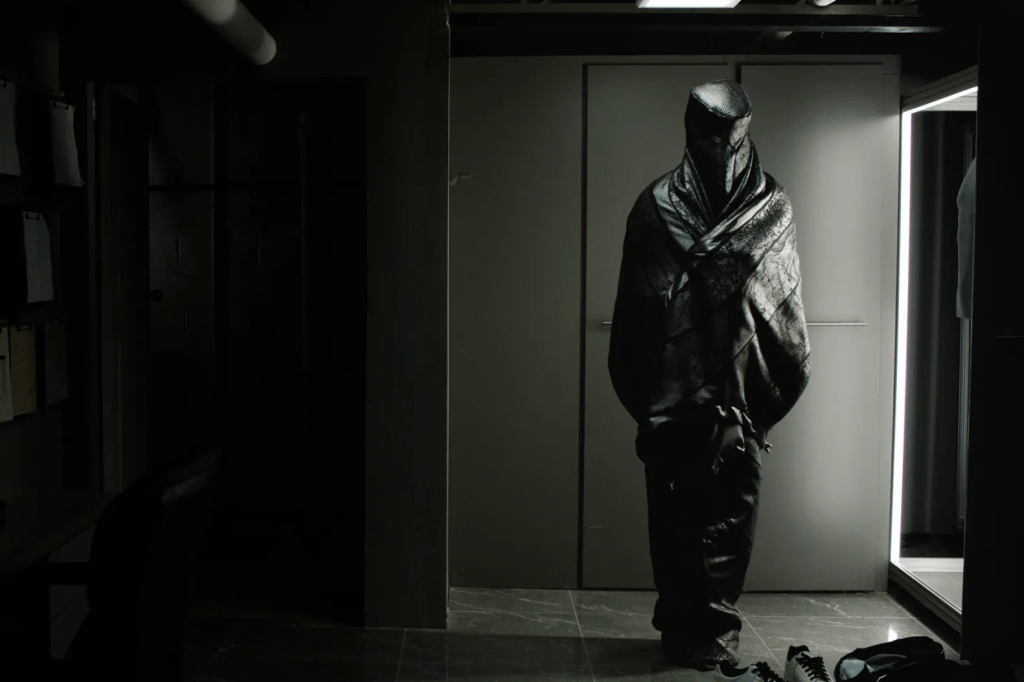
With The Shrouds, David Cronenberg delivers one of his most personal — and divisive — works to date. Born from grief following the death of his wife, the film transforms mourning into something cold, technological, and deeply unsettling. It’s not just about death; it’s about how we attempt to preserve, surveil, and rationalize it.
What unfolds is less a traditional narrative and more a philosophical meditation wrapped in a techno-thriller shell. Cronenberg explores modern grief through AI, digital surveillance, and the uncomfortable intimacy of observing loss from a distance. The emotional detachment is deliberate, forcing the viewer to sit in discomfort rather than catharsis.
This is a film that demands patience and reflection. Its dialogue is dense, its pacing deliberate, and its ideas unsettling by design. The Shrouds may divide audiences, but that friction is the point — it’s a confrontation with how technology reframes mourning, memory, and the human need to control what can’t be controlled.
21. The Monkey
Director & Writer: Osgood Perkins
Cast: Theo James, Tatiana Maslany, Christian Convery, Osgood Perkins, Elijah Wood, Rohan Campbell, Collin O’Brien
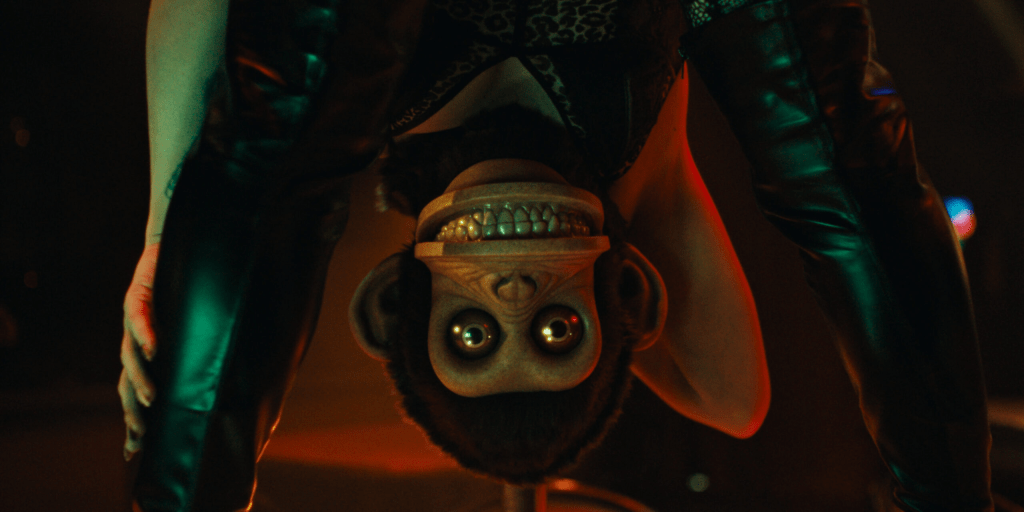
Osgood Perkins continues carving out one of the most distinctive voices in modern horror with The Monkey, a film that feels both playful and fatalistic. Coming off the success of Longlegs, Perkins leans further into his fascination with inevitability — particularly death, and our futile attempts to outrun it.
Adapted from Stephen King’s short story, The Monkey transforms a seemingly innocuous object into a symbol of inescapable consequence. What makes the film sing isn’t just its eerie premise, but Perkins’ tonal confidence. He understands that horror doesn’t always need to shout; sometimes it just needs to wait.
There’s a sly sense of humor woven throughout, an awareness of the absurdity baked into fate itself. Perkins balances dread with wit, crafting a film that’s as contemplative as it is cruel. It’s this duality — the humor and the hopelessness — that makes The Monkey linger long after the cymbals stop clashing.
20. Ash
Director: Flying Lotus
Writer: Jonni Remmler
Cast: Eiza González, Aaron Paul, Iko Uwais, Flying Lotus, Beulah Koale, Kate Elliot
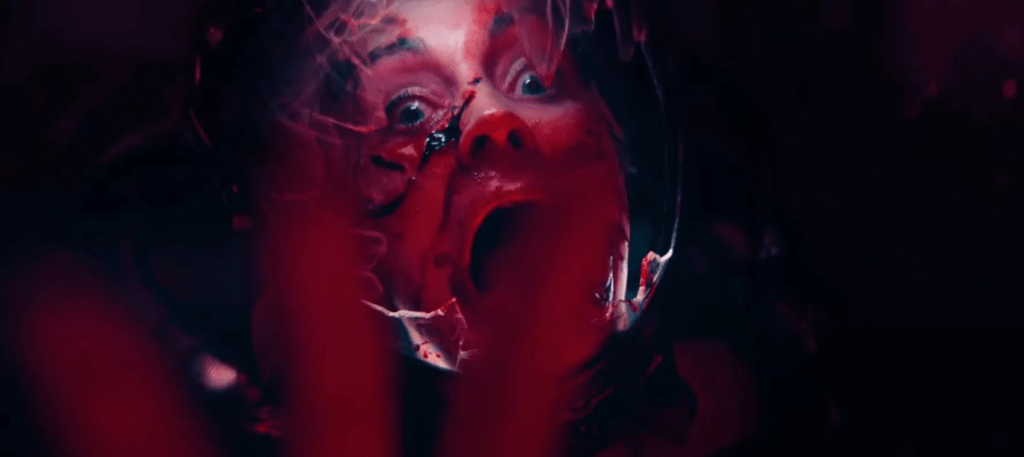
Flying Lotus continues to prove that his creative reach knows no bounds with Ash, a hypnotic blend of cosmic horror, memory fragmentation, and sensory overload. Set aboard a desolate research station in deep space, the film follows Riya (Eiza González), an astronaut who awakens with no memory of how she arrived there — or what catastrophe has already unfolded. What follows is less a linear narrative and more a descent into fractured consciousness, where memory, trauma, and survival bleed into one another.
What makes Ash so compelling is how deeply it trusts atmosphere over exposition. Flying Lotus uses his musical background not as ornamentation, but as a structural backbone — the score pulses, distorts, and collapses alongside Riya’s mental state. Sound becomes memory. Silence becomes dread. The film moves like a dream you’re not sure you want to wake up from.
There’s also a surprising emotional warmth beneath the cosmic terror. Flashbacks of found family, camaraderie, and human connection cut through the chaos, grounding the film in something tender before pulling it back into the void. Ash is less concerned with answers and more invested in sensation, inviting the viewer to piece together meaning alongside its protagonist. It’s an immersive, disorienting experience — one that rewards patience and rewards surrender.
19. Clown in a Cornfield
Director: Eli Craig
Writers: Eli Craig & Carter Blanchard
Cast: Katie Douglas, Aaron Abrams, Carson MacCormac, Kevin Durand, Vincent Muller, Will Sasso, Verity Marks, Alexandre Martin Deakin, Ayo Solanke, Cassandra Potenza
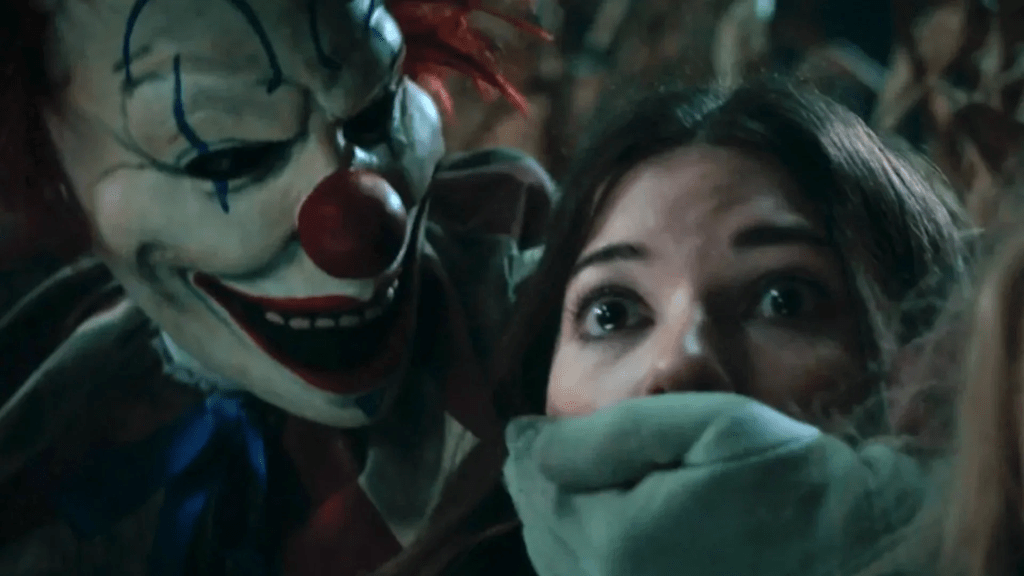
Clowns have long occupied a strange cultural space — equal parts whimsy and menace — and Clown in a Cornfield leans fully into that contradiction. Eli Craig adapts Adam Cesare’s novel with a self-aware confidence, crafting a slasher that understands its own absurdity while still committing fully to the carnage.
Set in a dying Midwestern town clinging desperately to tradition, the film follows Quinn (Katie Douglas), a newcomer navigating local myths, generational resentment, and a community obsessed with preserving its identity at all costs. The town’s corn syrup mascot, Frendo the Clown, becomes the perfect embodiment of that decay — a smiling symbol of nostalgia turned weaponized horror.
What elevates the film is its thematic undercurrent: the tension between youth and stagnation, progress and preservation. While Clown in a Cornfield embraces slasher tropes with enthusiasm, it also critiques the culture that enables them. It’s messy, loud, occasionally chaotic — but intentionally so. Beneath the blood and camp is a story about inherited fear and the dangers of refusing to evolve.
18. Predator Badlands

Director: Dan Trachtenberg
Writer: Patrick Aison
Cast: Elle Fanning, Dimitrius Schuster-Koloamatangi, Reuben de Jong, Mike Homik
After revitalizing the franchise with Prey, Dan Trachtenberg returns to the Predator universe with Badlands, a film that expands the mythos while shifting its emotional center. Rather than focusing solely on the hunt, this installment reframes the Predator story through identity, legacy, and belonging.
At the heart of the film is Dek (Dimitrius Schuster-Koloamatangi), a young warrior struggling under the weight of expectation — not just from his species, but from the mythology surrounding it. Trachtenberg trades relentless brutality for something more introspective, crafting a narrative that explores honor, failure, and self-definition within a violent tradition.
While the action still hits hard, Badlands is most effective in its quieter moments. It finds humanity in unexpected places and reshapes the Predator mythos into something surprisingly tender. It’s a film that respects the franchise’s roots while daring to imagine emotional depth where few expected it.
17. Bone Lake
Director: Mercedes Bryce Morgan
Writer: Joshua Friedlander
Cast: Maddie Hasson, Alex Roe, Andra Nechita, Marco Pigossi
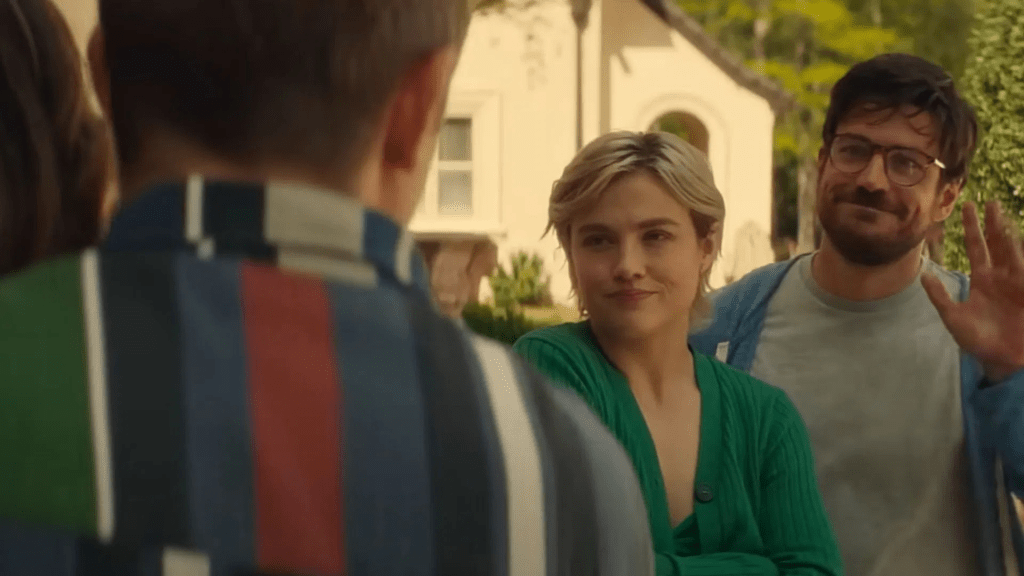
Bone Lake exists in that elusive space where camp and sincerity collide — and somehow, that collision works. Mercedes Bryce Morgan crafts a sultry, neon-soaked thriller that leans into genre clichés while knowingly twisting them just enough to feel fresh.
Set against a deceptively idyllic backdrop, the film unravels a story of desire, jealousy, and moral decay. It toys with eroticism and menace, letting tension simmer beneath sunlit surfaces and scenic beauty. While the narrative may follow familiar beats, the execution — heightened performances, striking visuals, and a simmering tone — gives it personality.
There’s an almost accidental brilliance to Bone Lake: it doesn’t try too hard to be “elevated,” yet it lands in that space through sheer confidence. It’s playful, provocative, and self-aware without being smug — a reminder that camp, when handled with intention, can be just as effective as prestige.
16. Strange Harvest
Director & Writer: Stuart Ortiz
Cast: Peter Zizzo & Terri Apple
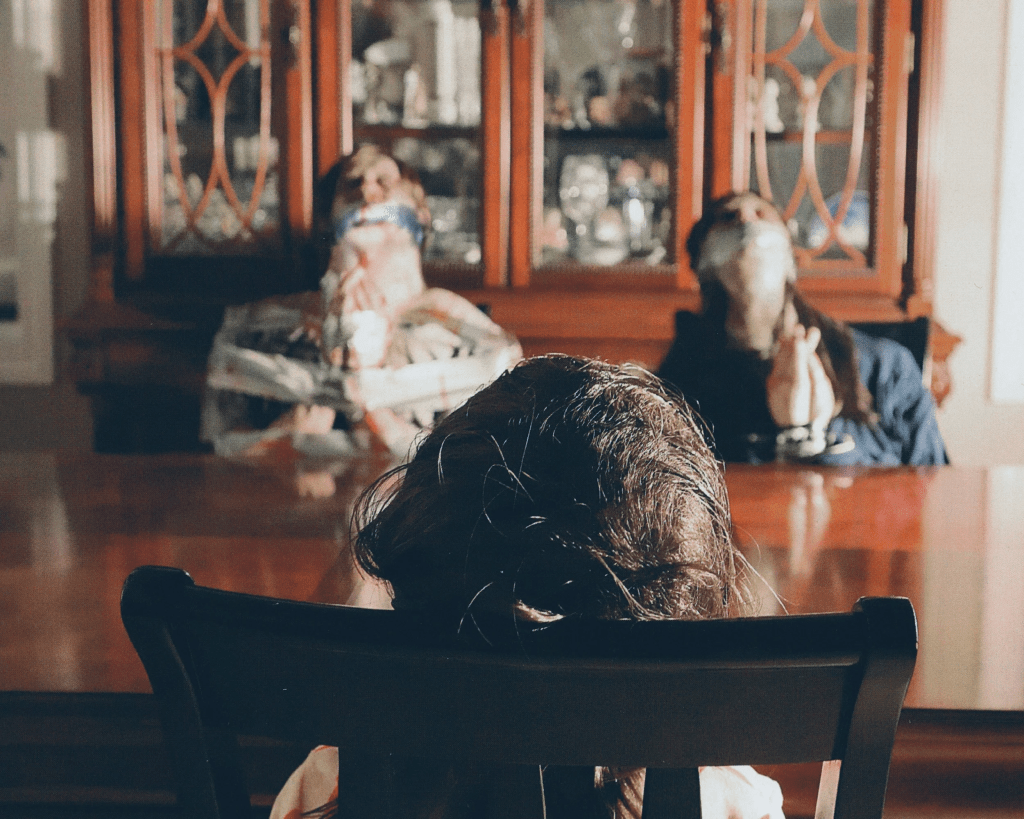
Strange Harvest stands as one of the most effective uses of the found-footage format in recent memory, not because it reinvents the wheel, but because it sharpens it to a dangerous edge. Framed as a true-crime documentary, the film follows detectives investigating the reemergence of a serial killer known as Mr. Shiny — a figure whose mythology grows more disturbing with each revelation.
Ortiz leans heavily into procedural realism, grounding the horror in interviews, evidence footage, and clinical observation. The result is unsettling in a uniquely intimate way; the violence feels invasive, not performative. By refusing to sanitize the brutality, Strange Harvest forces the audience into complicity, daring us to look away — and daring us not to.
What ultimately makes the film work is its balance of satire and sincerity. It critiques our obsession with true crime even as it indulges in it, exposing the voyeurism baked into the genre. Grim, uncomfortable, and darkly funny, Strange Harvest understands exactly what it’s doing — and does it with precision.
15. V/H/S/ Halloween
Directors: Bryan M. Ferguson, Anna Zlokovic, Paco Plaza, Casper Kelly, Alex Ross Perry, Micheline Pitt-Norman, R.H. Norman
Cast: David Haydn, Samanatha Cochran, Natalia Montgomery Fernandez, Teo Planell, María Romanillos, Ismael Martínez, Almudena Amor, Sonia Almarcha,Lawson Greyson, Riley Nottingham, Jenna Hogan, Jake Ellsworth, Stephen Gurewutz, Carl William Garrison, Jeff Harms, Noah Diamond, Sarah Nicklin
At this point, V/H/S has earned its place not just as a recurring franchise, but as a cornerstone of modern found-footage horror. What began as an experiment has evolved into a yearly ritual — one that continues to test how far the format can stretch without snapping. V/H/S/Halloween feels like one of the series’ most confident entries yet, embracing chaos, creativity, and sheer audacity.
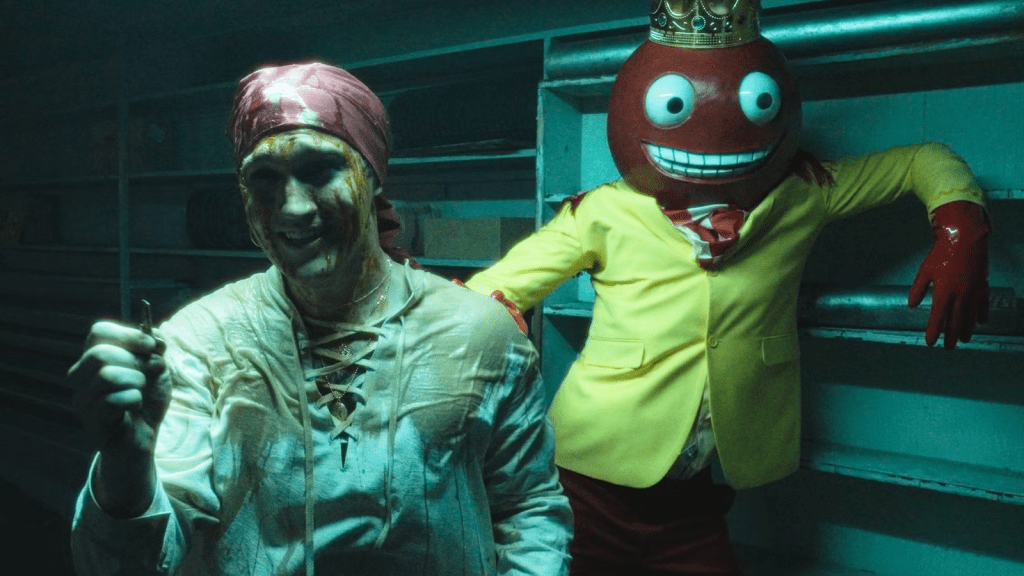
Five directors. Five segments. One holiday built on fear, performance, and transformation. Each short leans hard into its identity, whether that be grotesque absurdity, nightmarish folklore, or full-blown insanity. From adult babies and dismembered bodies to cursed mascots and killer candy, the film commits wholeheartedly to the ridiculous — and that commitment is precisely what makes it work.
What’s most impressive is how much freedom these filmmakers are given. The anthology format becomes a playground rather than a limitation, allowing wildly different tones to coexist under a single thematic umbrella. Some segments horrify, others amuse, and a few do both at once. It’s messy in the best way — the kind of mess that breeds future cult favorites. Love it or hate it, V/H/S/Halloween understands its assignment: go big, go weird, and never apologize for it.
14. In Our Blood
Director: Pedro Kos
Writer: Mallory Westfall
Cast: Brittany O’Grady, E. J. Bonilla, Alanna Ubach, Krisha Fairchild
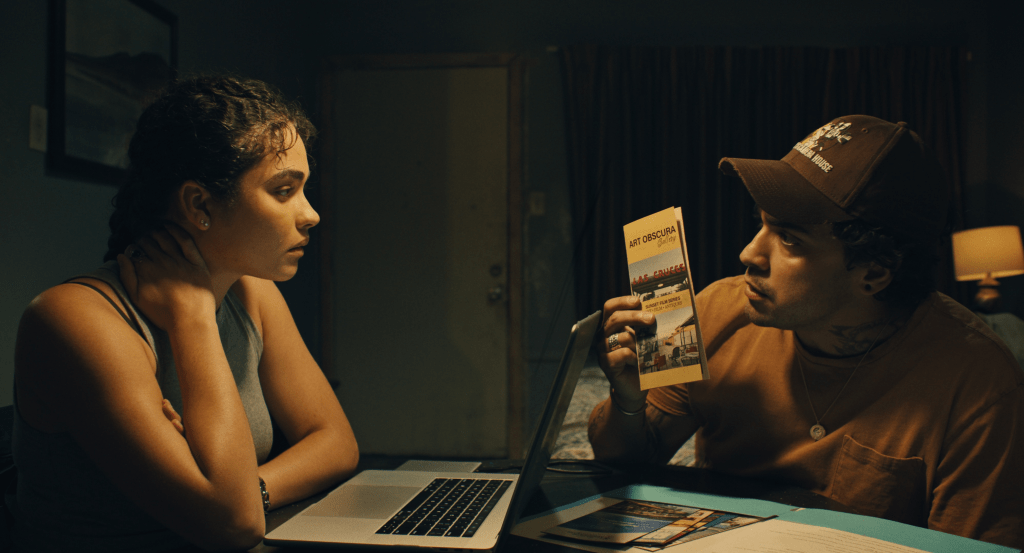
In Our Blood operates in that uncanny space where fiction and reality begin to blur — a space Pedro Kos knows intimately thanks to his background in documentary filmmaking. Shot through a found-footage lens, the film follows a young woman returning to her hometown with her partner, only to find herself pulled into a web of buried trauma, communal denial, and unsettling truths.
What elevates the film is how naturally it integrates documentary techniques into its narrative structure. Interviews, confessionals, and observational footage don’t feel like gimmicks — they feel like pieces of a larger psychological puzzle. The result is a slow-burning unease that creeps rather than lunges, making the eventual revelations all the more impactful.
At its core, In Our Blood functions as metaphor: for addiction, generational trauma, and the ways communities protect themselves by refusing to see what’s right in front of them. The horror is quiet, insidious, and disturbingly familiar. By the time the film reaches its final turns, you realize the scariest thing isn’t what’s lurking in the shadows — it’s what people choose to ignore in plain sight.
13. The Ugly Stepsister
Director & Writer: Emilie Blichfeldt
Cast: Lea Myren, Thea Sofie Loch Naess, Flo Fagerli, Isac Calmroth, Ane Dahl Torp
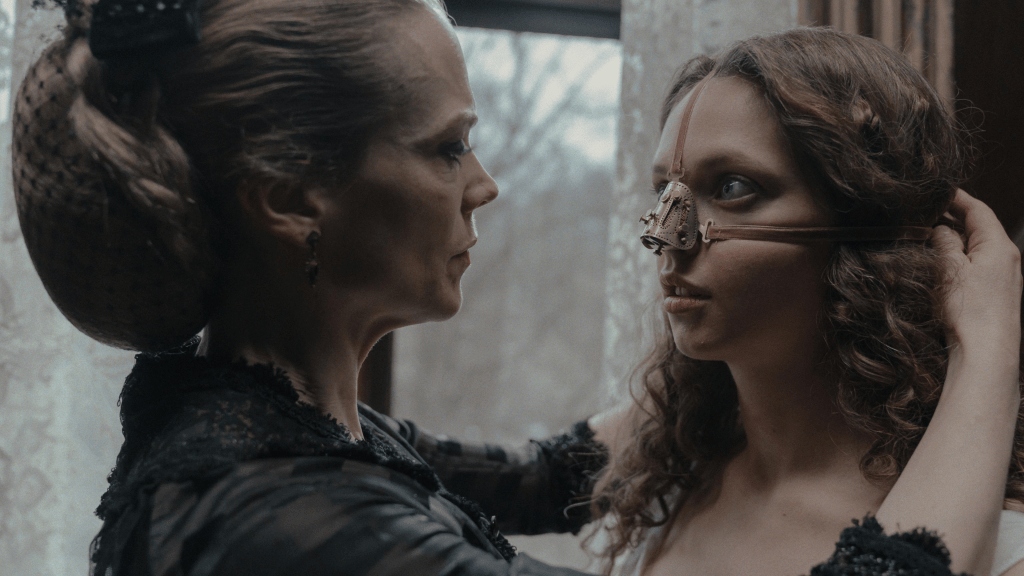
With The Ugly Stepsister, Emilie Blichfeldt takes a familiar fairytale and drags it back to its most brutal origins. This is not a story about magic or destiny — it’s about beauty as currency, cruelty as inheritance, and the quiet violence of expectation placed on young women.
Centered on Elvira (Lea Myren), a girl desperate to escape her perceived ugliness, the film explores how far someone might go when love and worth feel conditional. Her mother, Rebekka (Ane Dahl Torp), looms large as both architect and executioner of these expectations, pushing her daughter toward transformation at any cost.
Blichfeldt leans heavily into body horror, but never for shock alone. Each grotesque alteration is loaded with meaning, exposing the grotesque lengths society demands in the pursuit of beauty. Much like The Substance, the film weaponizes exaggeration to reveal uncomfortable truths. The result is a grim, fairy-tale nightmare that feels both ancient and painfully modern — and one of the year’s most uncompromising visions.
12. Good Boy
Director: Ben Leonberg
Writers: Ben Leonberg & Alex Cannon
Cast: Indy (the dog), Shane Jensen, Arielle Friedman, Larry Fessenden
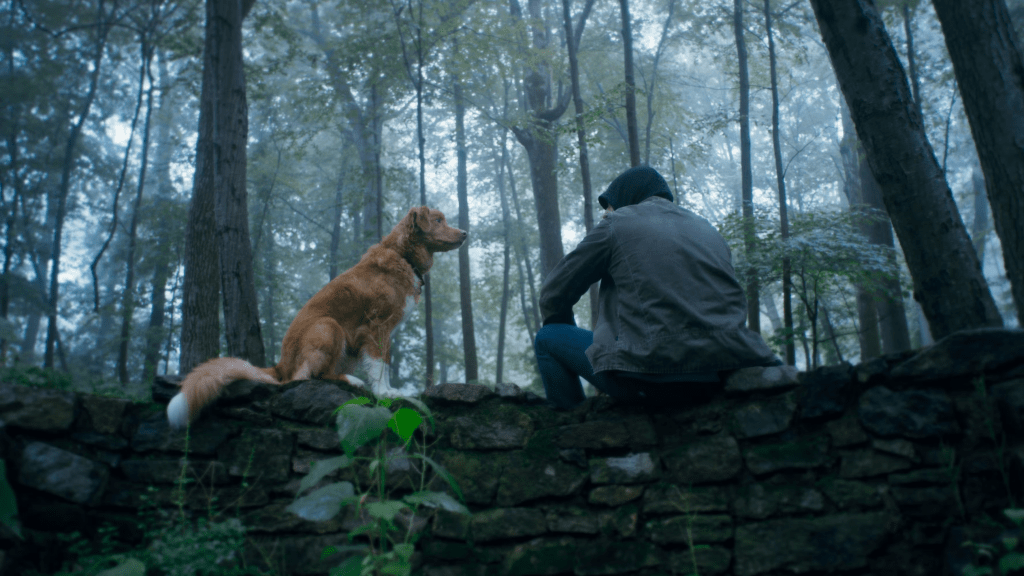
Few horror films this year approach vulnerability the way Good Boy does. Told largely through the perspective of a dog, Ben Leonberg’s film is as emotionally disarming as it is unsettling. Following Todd and his loyal companion Indy as they return to a secluded childhood home, the story unfolds with a quiet intimacy that slowly gives way to dread.
By aligning the audience with Indy’s point of view, the film taps into something deeply primal — the instinct to protect, to sense danger before it’s visible. What begins as an eerie curiosity becomes a heartbreaking meditation on loyalty, fear, and unconditional love. The supernatural elements creep in subtly, never overpowering the emotional core.
When the film finally reveals its hand, it lands with devastating sincerity. Good Boy isn’t just about fear — it’s about devotion, loss, and the unspoken bond between humans and the animals who love them unconditionally. Few horror films this year manage to be this tender without losing their bite.
11. Queens of the Dead
Director: Tina Romero
Writers: Tina Romero & Erin Judge
Cast: Katy O’Brian, Jaquel Spivey, Riki Lindhome, Margaret Cho, Jack Haven, Tomás Matos, Dominique Jackson, Nina West, Cheyenne Jackson
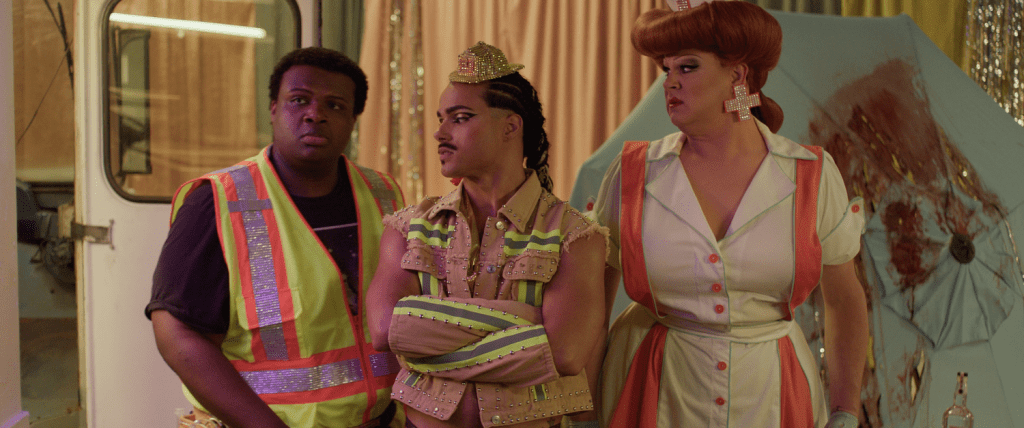
With Queens of the Dead, Tina Romero reclaims the zombie genre with glitter, heart, and righteous defiance. Set against the backdrop of a queer nightlife scene in New York, the film blends camp, chaos, and community into a vibrant apocalypse where survival is just as much about solidarity as it is about survival.
The film centers on Dre (Katy O’Brian) and a cast of performers, artists, and outsiders who find themselves navigating an outbreak mid–drag show. While the zombies provide plenty of carnage, the emotional core lies in the relationships — the chosen families, the rivalries, and the love that persists even as the world falls apart.
Romero honors her father’s legacy while carving out her own voice, infusing the genre with warmth, humor, and political subtext. The horror may be lighter than others on this list, but its heart is enormous. Queens of the Dead is a celebration — of queerness, of survival, and of finding joy even when everything is burning.
10. Final Destination Bloodlines

Directors: Zach Lipovsky & Adam B. Stein
Writers: Guy Busick & Lori Evans Taylor (story also credited to Jon Watts)
Cast: Kaitlyn Santa Juana, Teo Briones, Rya Kihlstedt, Tony Todd, Brec Bassinger, Richard Harmon, Owen Joyner, Anna Lore, Gabrielle Rose, Alex Zahara
As the term “elevated horror” continues to dominate the genre conversation, Final Destination: Bloodlines proudly embraces the opposite lane — and in doing so, reminds us why spectacle-driven horror still matters. The franchise has always thrived on one core idea: death is inevitable, and it has a sense of humor. This entry leans fully into that philosophy, reviving the series with confidence, creativity, and a surprising amount of heart.
Zach Lipovsky and Adam B. Stein understand the assignment perfectly. They don’t overcomplicate the formula; they sharpen it. Death once again becomes the ultimate antagonist — petty, theatrical, and cruelly inventive. The set pieces are elaborate, the timing is impeccable, and the violence is gleefully excessive. The Space Needle sequence alone cements this as one of the franchise’s most memorable installments, blending suspense with sheer spectacle.
What elevates Bloodlines beyond its predecessors is how invested it allows us to be in its characters. Beneath the carnage is a surprisingly grounded emotional core, anchored by performances that sell both the terror and the absurdity. It’s ridiculous in the best way, self-aware without being smug, and constantly aware of why audiences show up to these films in the first place. This is Final Destination at its most confident — loud, clever, and unapologetically fun.
9. Companion
Director & Writer: Drew Hancock
Cast: Sophie Thatcher, Jack Quaid, Lukas Gage, Megan Suri, Harvey Guillén, Rupert Friend
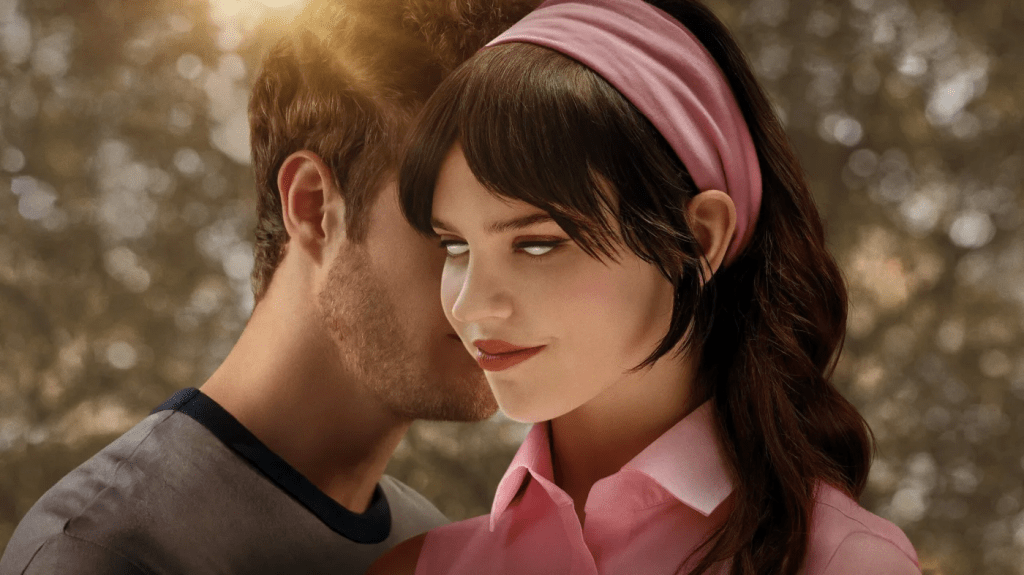
Few recent films interrogate our relationship with technology as playfully — or as uncomfortably — as Companion. Drew Hancock takes familiar anxieties surrounding AI, autonomy, and intimacy and reframes them through a darkly comedic, deeply unsettling lens. What begins as a sleek genre exercise quickly morphs into something far more personal and morally thorny.
Sophie Thatcher and Jack Quaid anchor the film with performances that oscillate between charm and menace. Hancock smartly weaponizes Quaid’s “nice guy” persona, twisting it into something deeply unsettling, while Thatcher navigates the emotional tightrope between affection and autonomy. Their dynamic fuels the film’s tension, forcing the audience to question who holds power — and why.
Set largely within the confines of a lakeside retreat, Companion uses isolation to its advantage. The serenity of the environment only heightens the unease as the film interrogates control, consent, and the unsettling ease with which technology can blur emotional boundaries. It’s funny, cruel, and unnervingly plausible — a cautionary tale wrapped in slick genre packaging.
8. Together
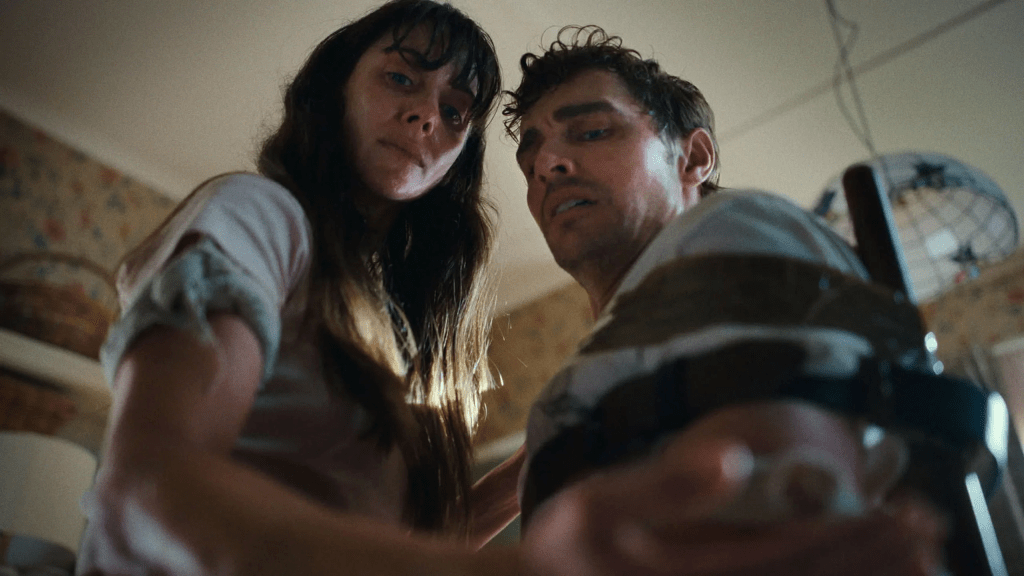
Director & Writer: Michael Shanks
Cast: Dave Franco, Alison Brie, Damon Herriman
Few films this year explore intimacy with as much discomfort — or honesty — as Together. Michael Shanks takes the language of body horror and uses it to dissect codependency, fear, and emotional stagnation within long-term relationships. What begins as a relationship drama slowly mutates into something far stranger and far more unsettling.
Dave Franco and Alison Brie bring an unfiltered vulnerability to their performances, their real-life chemistry lending authenticity to the emotional unraveling onscreen. Their characters’ desire to stay connected — at any cost — becomes both tragic and grotesque as physical transformation mirrors emotional compromise.
Shanks leans into tactile, often disturbing imagery without losing sight of the emotional core. The horror doesn’t come from monsters, but from the realization that intimacy can be suffocating when built on fear rather than growth. Together is uncomfortable, intimate, and deeply human — a body horror film that cuts straight to the heart.
7. 28 Years Later
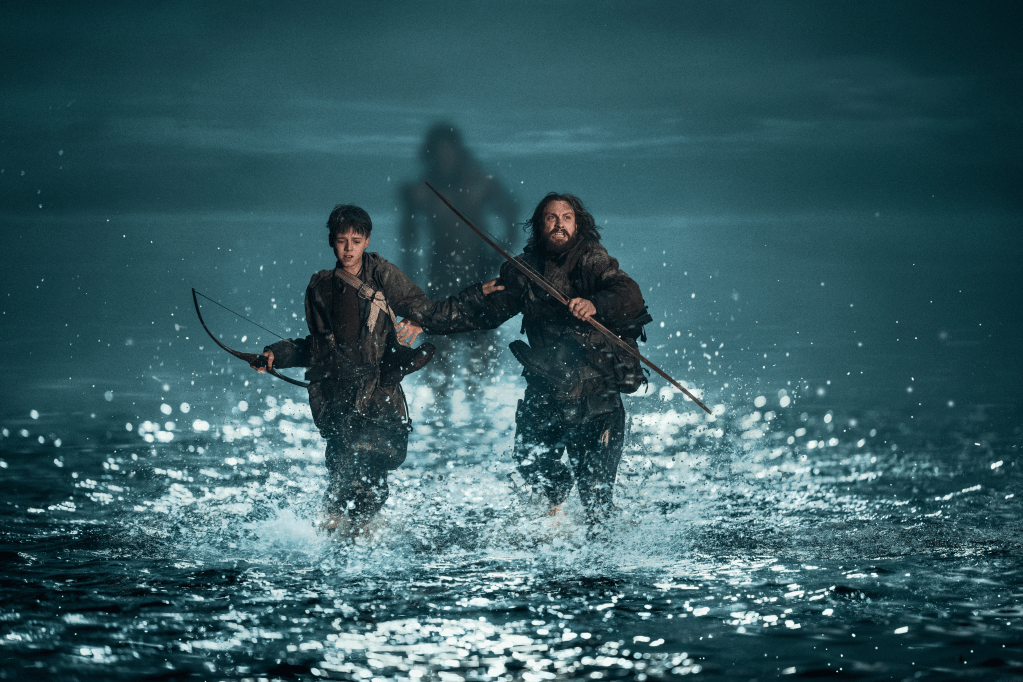
Director: Danny Boyle
Writer: Alex Garland
Cast: Alfie Williams, Jodie Comer, Aaron Taylor-Johnson, Jack O’Connell, Ralph Fiennes, Edvin Ryding
Few legacy sequels feel this necessary. 28 Years Later doesn’t simply revisit familiar territory — it expands it emotionally, thematically, and politically. Danny Boyle and Alex Garland return with a story that understands horror not as spectacle, but as consequence.
At the center is Alfie Williams’ Spike, a child forced to grow up inside a world shaped by infection, fear, and survival. His performance anchors the film with startling emotional weight, supported by a stellar cast that brings humanity to a bleak landscape. The horror here isn’t just the infected — it’s the systems, the choices, and the inherited trauma that shape the next generation.
The film balances visceral terror with profound tenderness, culminating in moments that are as heartbreaking as they are haunting. It’s not just a continuation — it’s a reckoning. And by the time the film reaches its closing moments, it becomes clear that this world still has devastating stories left to tell.
6. The Long Walk
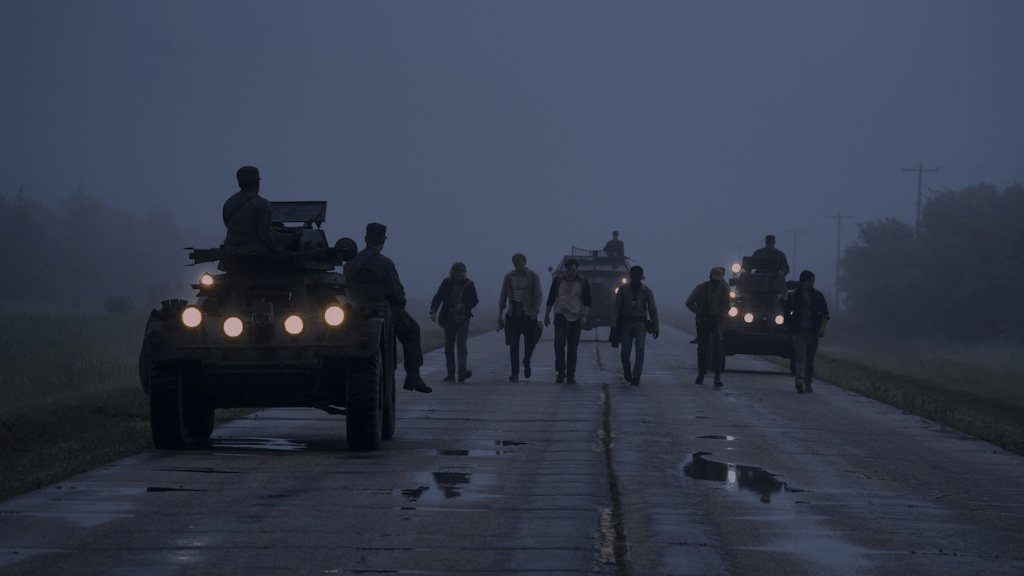
Director: Francis Lawrence
Writer: JT Mollner
Cast: Cooper Hoffman, David Jonsson, Garrett Wareing, Roman Griffin Davis, Mark Hamill, Ben Wang, Judy Greer, Charlie Plummer, Jordan Gonzalez, Tut Nyuot, Joshua Odjick
Adapted from Stephen King’s harrowing novel, The Long Walk is dystopian horror at its most emotionally punishing. Francis Lawrence crafts a world where violence is ritualized, televised, and normalized — and where survival itself becomes an act of rebellion.
Following a group of teenage boys forced into a deadly endurance contest, the film examines how systems of power commodify suffering. Cooper Hoffman and David Jonsson anchor the ensemble with performances that feel painfully real, capturing the quiet terror of knowing there is no escape.
The horror isn’t just in the deaths — it’s in the waiting, the exhaustion, the erosion of empathy. Lawrence refuses to flinch, forcing the audience to confront how easily spectacle replaces humanity. It’s a bleak, devastating experience, and one of the most thematically rich entries of the year.
5. Frankenstein
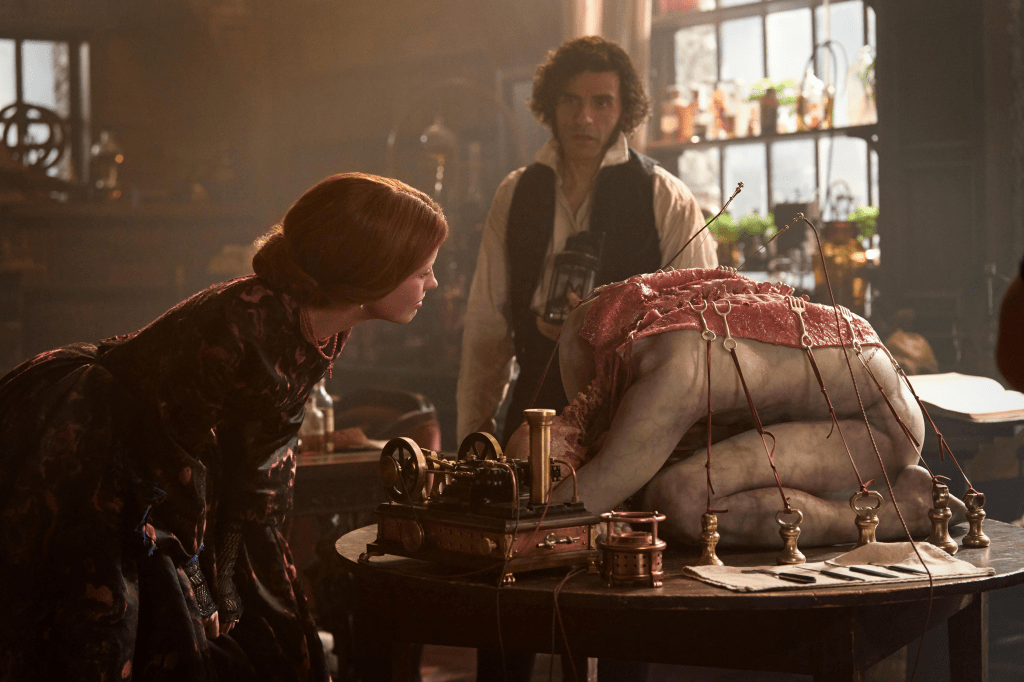
Director & Writer: Guillermo del Toro
Cast: Oscar Isaac, Jacob Elordi, Mia Goth, Christoph Waltz, Felix Kammerer, Charles Dance, Ralph Ineson, David Bradley, Christian Convery
Guillermo del Toro’s Frankenstein is a labor of love decades in the making — and it shows. This is not merely an adaptation, but a deeply personal meditation on creation, responsibility, and abandonment. Del Toro approaches Shelley’s novel with reverence, empathy, and visual splendor, crafting a version that feels both intimate and operatic.
Jacob Elordi brings vulnerability and pathos to the Creature, while Oscar Isaac’s Victor is equal parts brilliance and cowardice. Their relationship — tender, volatile, tragic — forms the emotional core of the film. Del Toro frames monstrosity not as something born, but something taught.
Every frame is drenched in gothic beauty, yet the emotional weight never gets lost beneath the spectacle. This Frankenstein aches with compassion, interrogating what it means to create life without understanding the responsibility that comes with it. It’s haunting, heartbreaking, and profoundly human.
4. Bring Her Back
Directors: Danny & Michael Philippou
Writers: Danny Phillippou & Bill Hinzman
Cast: Billy Barratt, Sora Wong, Sally Hawkins, Mischa Haywood, Stephen Phillips, Sally-Anne Upton
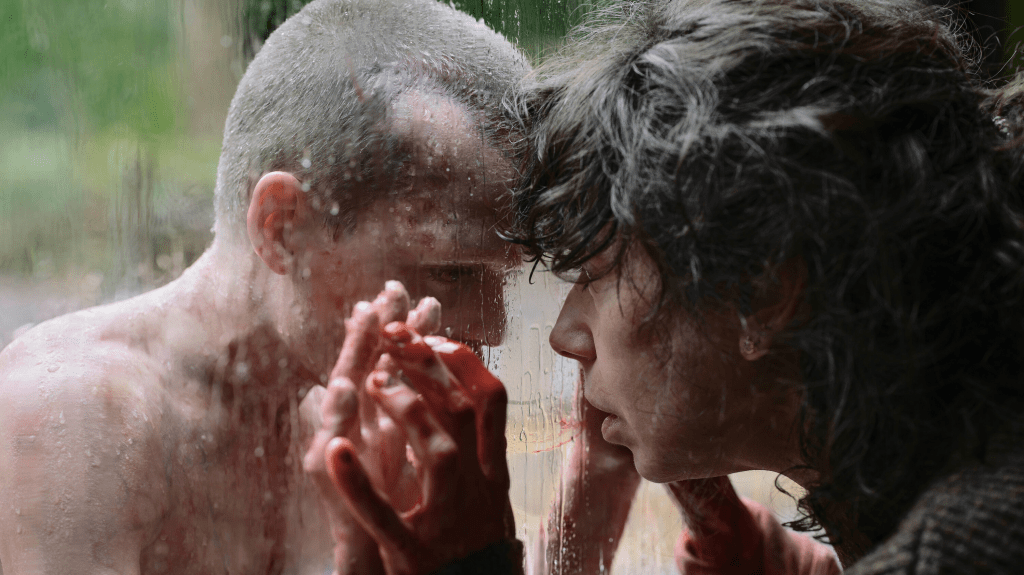
Following the impact of Talk to Me, the Philippou brothers return with something even more emotionally devastating. Bring Her Back trades jump scares for dread, weaving grief, obsession, and moral decay into a slow-burning nightmare.
Sally Hawkins delivers a chilling performance, weaponizing warmth and maternal affection into something deeply unsettling. Opposite her, Billy Barratt and Sora Wong bring heartbreaking vulnerability as siblings caught in an increasingly hostile environment. Their chemistry grounds the horror, making every moment feel personal and inescapable.
This is a film about grief that refuses to heal — about the lengths people will go to avoid loss, and the damage left in that desperation. It’s harrowing, intimate, and emotionally exhausting in the best possible way. The Philippous prove once again that horror can be devastating without ever raising its voice.
3. The Plague
Director & Writer: Charlie Polinger
Cast: Everett Blunck, Kayo Martin, Kenny Rasmussen, Joel Edgerton, Elliot Heffernan, Lucas Adler, Lennox Espy, Caden Burris, Kolton Lee
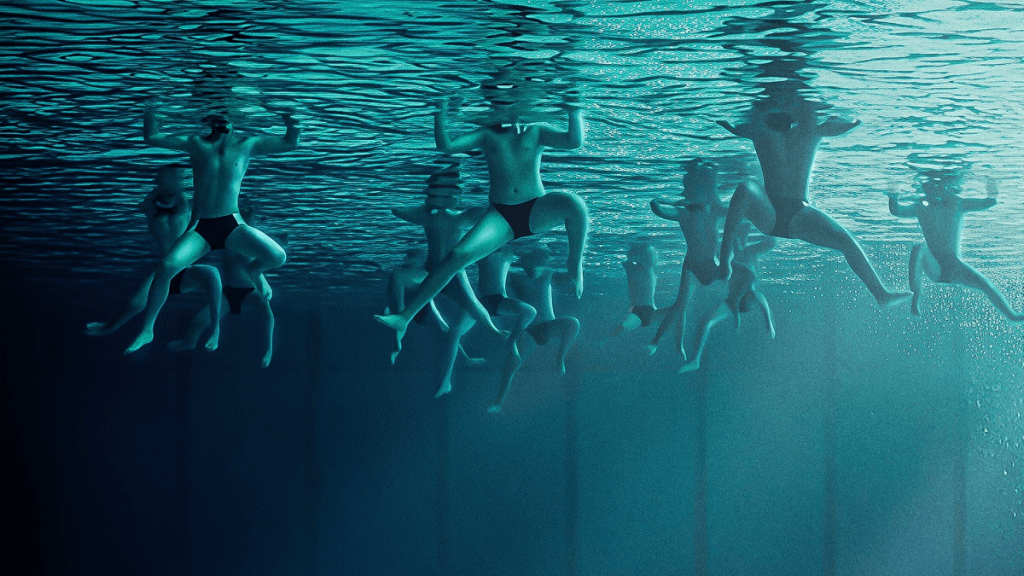
The Plague captures the terror of adolescence with startling precision. Set within the microcosm of a boys’ water polo camp, the film dissects hierarchy, cruelty, and insecurity with surgical restraint. Polinger’s direction is patient and observational, allowing dread to seep in rather than explode.
The horror here isn’t supernatural — it’s social. Peer pressure, humiliation, and the fear of exclusion become forces just as terrifying as any monster. The film’s sound design and imagery heighten this unease, transforming locker rooms and pools into spaces of psychological threat.
What makes The Plague so haunting is its familiarity. Most viewers will recognize pieces of themselves in its cruelty, its longing, its silence. It lingers not because of what it shows, but because of what it understands.
2. Weapons
Director & Writer: Zach Cregger
Cast: Josh Brolin, Julia Garner, Amy Madigan Alden Ehrenreich, Austin Abrams, Benedict Wong, Cary Christopher, Justin Long
With Weapons, Zach Cregger cements himself as one of the most exciting voices in modern horror. Building on the structural experimentation of Barbarian, he crafts a narrative that’s fragmented yet deliberate, playful yet brutal.
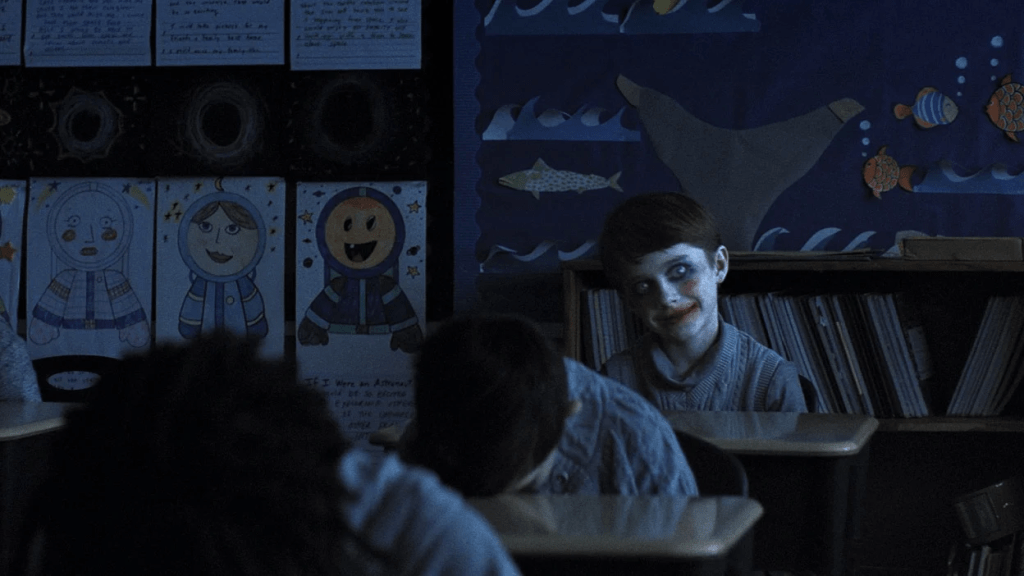
The disappearance of a classroom full of children becomes the catalyst for a story told through fractured perspectives — each revealing a different emotional truth. The performances are uniformly strong, but Amy Madigan stands out, delivering a chilling portrayal that lingers long after the film ends.
Cregger weaponizes pacing and perspective, constantly shifting the audience’s footing. Humor and horror coexist in uncomfortable harmony, and by the time the full picture emerges, the film has already embedded itself deep under your skin. Weapons isn’t just scary — it’s unsettling in a way that refuses to let go.
1. Sinners
Director & Writer: Ryan Coogler
Cast: Michael B. Jordan, Hailee Steinfeld, Jack O’Connell, Wunmi Mosaku, Delroy Lindo, Miles Caton, Li Jun Li, Omar Benson Miller, Jayme Lawson
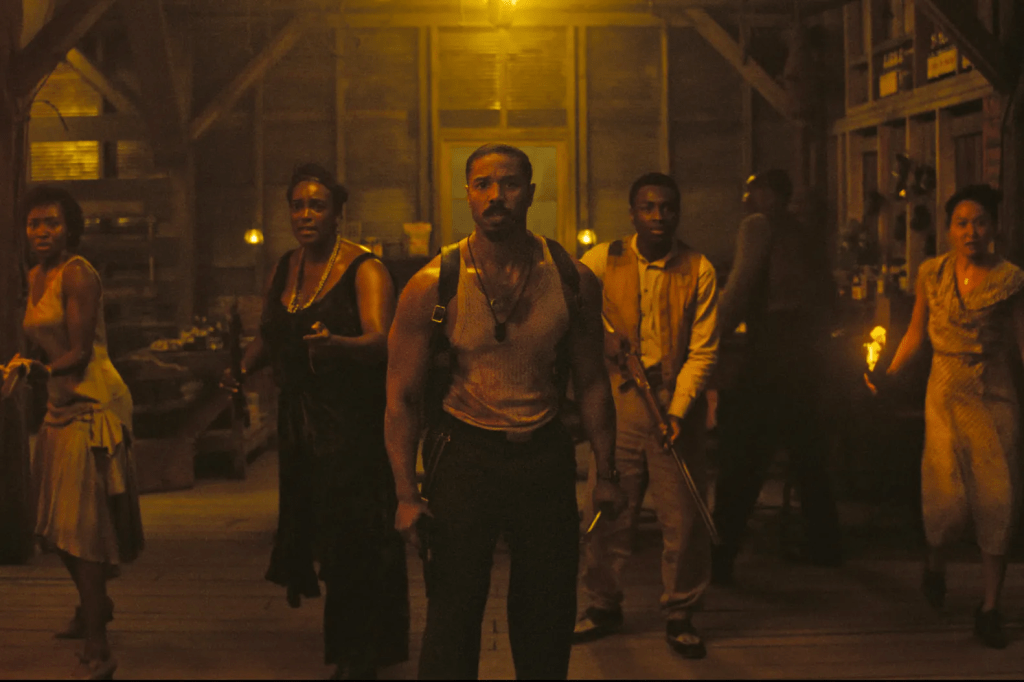
Once again, Sinners is one of those films that blurs the line between “horror” and “not horror,” but by the time the night is over, it’s hard to argue it doesn’t belong here — and not just on the list, but at the top. Set in 1932 in the Mississippi Delta, Coogler builds a genre mosaic: Southern Gothic atmosphere, period drama grit, supernatural terror, and musical energy fused into something that feels both classical and wildly alive.
Michael B. Jordan anchors the film with a dual performance as Smoke and Stack Moore, twin brothers returning home with a vision — not just to start over, but to create a space for their people to breathe. The juke joint they establish isn’t background dressing; it’s the film’s heartbeat, a sanctuary where music becomes memory, release, and resistance all at once. And that’s what makes the horror hit harder: Coogler doesn’t treat the night like a gimmick. He treats it like a ritual. When the intrusions arrive — the violence, the seduction, the hunger — it isn’t just chaos for spectacle. It’s a collision between community and corruption, between culture and consumption, between what’s sacred and what wants to feed on it.
And yes, you could argue vampires alone earn the film a horror badge — but Sinners isn’t content with “badge” horror. It’s soulful horror. It’s the kind that’s seductive before it’s brutal, ecstatic before it’s devastating. The cast is locked in, the imagery is hauntingly beautiful, and the musical sequences don’t interrupt the tension — they generate it. Coogler already proved he can deliver cultural moments; here, he does it with fangs out, rhythm pounding, and a story that lingers like a song you can’t shake.
Horror in 2025 wasn’t just about fear — it was about reflection, transformation, and confrontation. Whether through blood-soaked spectacle, intimate character studies, or genre-bending experimentation, these films proved that horror remains one of the most emotionally honest spaces in cinema. It’s where grief can scream, where love can rot, and where identity can fracture or finally take shape.
What stood out most this year wasn’t just the scares, but the intent. Filmmakers weren’t afraid to challenge form, to sit in discomfort, or to blur the line between terror and tenderness. From big studio swings to daring independent visions, horror once again proved it’s not a niche — it’s a mirror.
This list isn’t about perfection. It’s about impact. It’s about the films that lingered long after the credits rolled, that sparked conversation, discomfort, and connection. Whether they terrified, devastated, or moved you, these were the stories that refused to be ignored.
And if this year taught us anything, it’s that horror isn’t going anywhere — it’s evolving, growing louder, stranger, and more honest than ever.
Here’s to the films that made us feel something.
 818 Lens