Since its horror inception with a film like Cannibal Holocaust (1980), the found footage genre has long found a welcoming and supportive home within horror itself. From there, we can trace clever and tactical marketing strategies that paved the way for The Blair Witch Project (1999), whose success relied on the persuasive and deceiving nature of its supposed authenticity.
In more recent years, the subgenre has continued to thrive through titles like [Rec] (2007), Paranormal Activity (2007), and Hell House LLC (2015)—each bringing with it new adaptations of the format and modern techniques to explore fear in fresh ways.
Fast-forward to the present, and we find ourselves in a year that’s offered a handful of found-footage films, each taking different approaches and experimenting with the form in inventive directions. One of the most anticipated comes from a familiar face: a former YouTube film critic who’s since evolved into a filmmaker in his own right—Chris Stuckmann’s Shelby Oaks.
It’s often said that films are mirrors of the time in which they’re made—reflecting what’s happening in the nation, what society fears most, and how those anxieties manifest through art, especially in horror.
Art, by its nature, is meant to be interpreted in countless ways. Even when a creator doesn’t intend for their work to be dissected so deeply, it’s still inevitable that art becomes a reflection of its era, simply because it’s born from the world the artist inhabits.
Take the idea of something being called “camp(y),” for instance. Though the term has become more contemporary, the concept stretches back to films like The Rocky Horror Picture Show (1975) or Killer Klowns from Outer Space (1988). The point being: as far back as found footage cinema goes, it’s fascinating to see how each generation continues to reinterpret and reinvent it.
These are a few found-footage films released this year that each take intriguing, distinctive approaches to their narratives. From gritty, true-crime mockumentaries to a long-running and beloved anthology series, they’ve all kept the subgenre alive for the devoted aficionados—many of whom are the very creators continuing to innovate within it. Found footage has long been celebrated for its low-budget ingenuity and out-of-the-box creativity, both of which remain key to its endurance and success.
Strange Harvest
Director & Screenwriter: Stuart Ortiz
Starring: Peter Zizzo, Terri Apple, Andy Lauer, Matthew Peschio
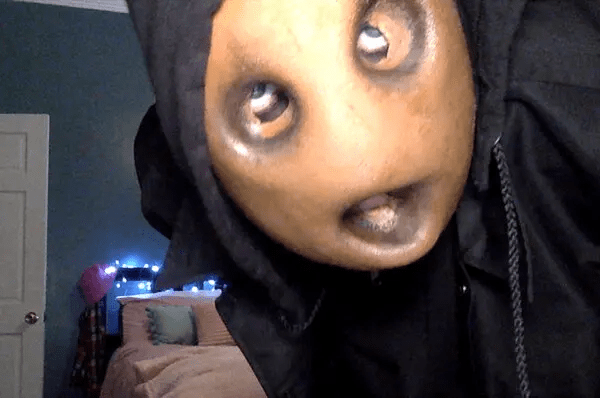
Set in the Inland Empire region of Southern California, Strange Harvest follows a pair of detectives tracking a serial killer known as Mr. Shiny, who resurfaces after nearly two decades in hiding—leaving behind cryptic clues at every crime scene. But beneath its grisly surface, the film teases a deeper question: is this a commentary on our fractured justice system, or a satire of true-crime documentaries and their often sanitized portrayal of law enforcement?
Either way, Stuart Ortiz crafts a haunting mockumentary that blends beauty with brutality. His lens captures the serene landscapes of Southern California—sun-washed and quiet—only to invade that calm with imagery too disturbing to look away from. Unlike most true-crime docs, Strange Harvest doesn’t cut away. It lingers, almost punishingly, on the aftermath of horror, denying the viewer the comfort of distance.
When Mr. Shiny reemerges in San Bernardino, our detectives follow a trail of riddles, bodies, and videotapes, unraveling a mystery that blurs the line between performance and confession. The result is a high-production mockumentary that dissects both our obsession with serial killers and the media’s complicit fascination with turning real-world horror into spectacle.
In Our Blood
Starring: Brittany O’Grady, E.J. Bonilla, Krisha Fairchild, Alanna Ubach, Steven Klein, Bianca Comparato, Leo Marks
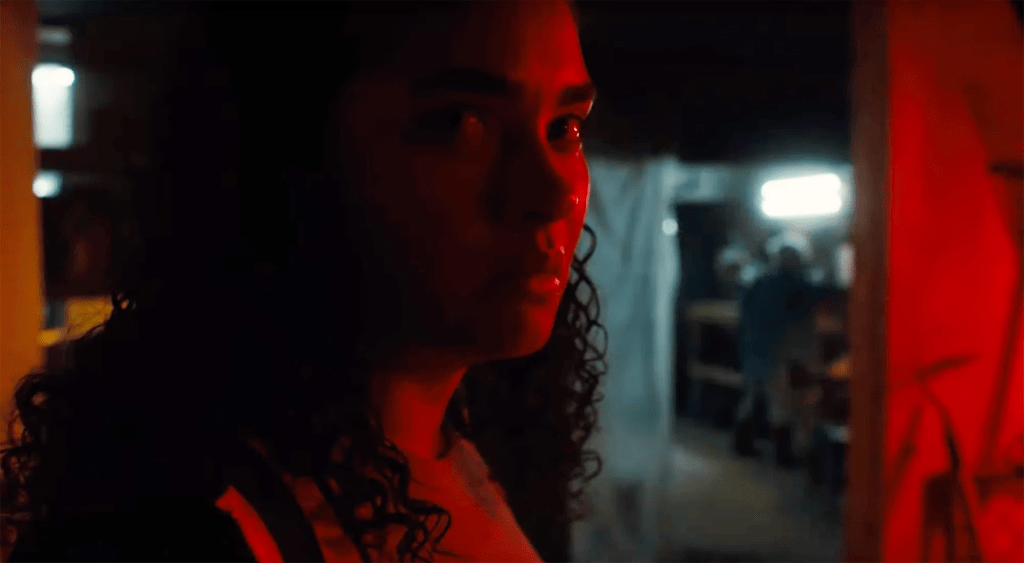
Director Pedro Kos, best known for his documentary work, brings those instincts to this deeply emotional and unsettling entry in the found footage subgenre. His storytelling precision and sense of realism turn In Our Blood into a chilling and empathetic study of addiction, family, and denial.
Emily Wyland (Brittany O’Grady) seeks to reconnect with her estranged mother Sam Wyland (Alanna Ubach), who has struggled for years with substance abuse. Accompanied by her cinematographer boyfriend Danny (E.J. Bonilla), Emily documents the trip in hopes of turning pain into reconciliation. At first, things seem to mend—but soon unravel into a nightmare of paranoia, memory, and manipulation.
Kos uses the camera not as a passive observer, but as an unreliable witness. The film’s vérité style builds intimacy before turning that same closeness into discomfort. What begins as a story of healing spirals into something darker, where every frame invites mistrust. Who’s lying? Who’s performing? Who’s even real? The film’s New Mexico setting—particularly Las Cruces—serves as a haunting metaphor for buried truths. Equal parts emotional and terrifying, In Our Blood is a found footage film with a heart—and a bite.
V/H/S/ Halloween
Director(s): Multiple — including Bryan M. Ferguson, Casper Kelly, Micheline Pitt‑Norman, R.H. Norman, Alex Ross Perry, Paco Plaza, and Anna Zlokovic
Starring: David Haydn, Anna McKelvie, Adam James Johnston, Eddie MacKenzie, Samantha Cochran, Natalia Montgomery Fernandez, Teo Planell, María Romanillos, Ismael Martínez, Almudena Amor, Sonia Almarcha, Lawson Greyson, Riley Nottingham, Jenna Hogan, Jake Ellsworth, Stephen Gurewitz, Carl William Carlson, Jeff Harms, Noah Diamond
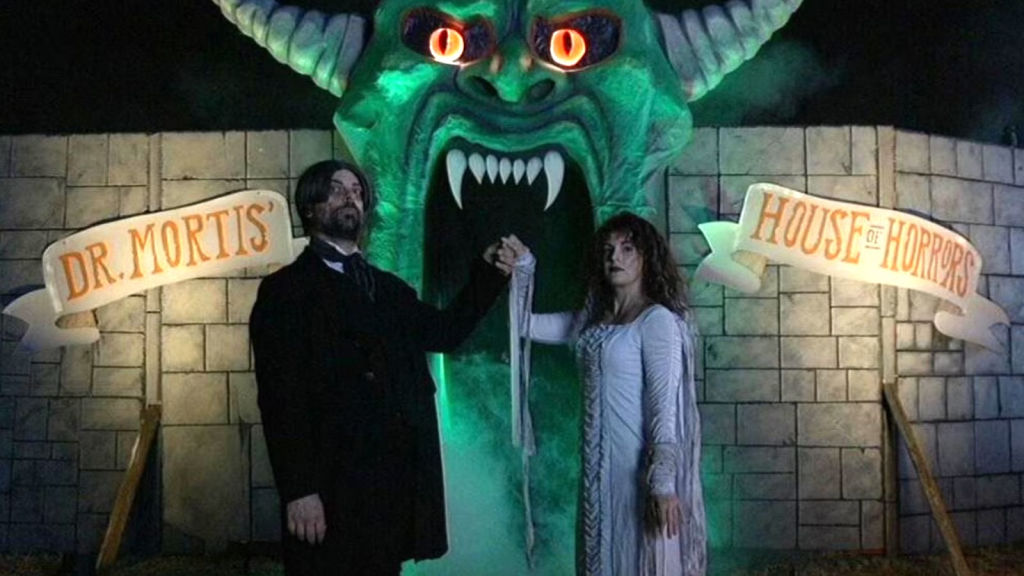
Now a tradition in the horror community, the V/H/S/ franchise returns with another collection of short films stitched together by its trademark lo-fi chaos. Since 2012, each installment has showcased new and seasoned filmmakers exploring the extremes of analog horror, and this year’s theme—Halloween—might just be its strongest yet.
This time, the frame narrative revolves around the testing of a mysterious new soda called Diet Phantasma, which unleashes horrifying side effects on its test subjects. From there, we dive into five segments: Coochie Coochie Coo, Ut Supra Sic Infra, Fun Size, Kidprint, and Home Haunt—each taking the Halloween motif and running wild with it.
What makes the V/H/S/ series endure is its unapologetic embrace of DIY filmmaking, camp, and chaotic invention. The filmmakers use their limitations as creative fuel, delivering stories that are alternately funny, disgusting, eerie, and brilliant in their brevity. V/H/S/ Halloween isn’t just a continuation—it’s a reminder of what this franchise does best: blending nostalgia, body horror, and sheer unpredictability into one gory love letter to the genre’s true believers.
Shelby Oaks
Director & Screenwriter: Chris Stuckmann
Starring: Camille Sullivan, Sarah Durn, Keith David, Brendan Sexton III, Robin Bartlett, Michael Beach, Eric Francis Melaragni, Anthony Baldasare, Caisey Cole
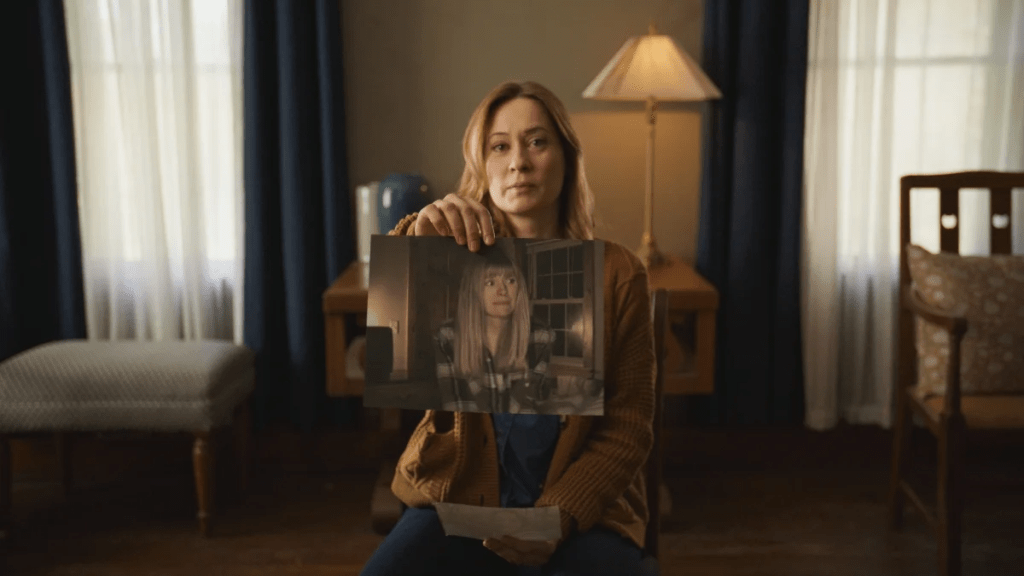
Longtime YouTube film critic Chris Stuckmann makes his much-anticipated directorial debut with Shelby Oaks, a hybrid of found footage and traditional narrative horror that began as a crowdfunded Kickstarter project. The film stars Sarah Durn as Riley Brennan, a missing paranormal investigator whose sister Mia (Camille Sullivan) begins retracing her steps through a trail of mysterious footage left behind.
Stuckmann’s experience as a critic shows through in his understanding of genre conventions and how to subvert them—though the film’s ambition sometimes wrestles with its execution. By blending the raw immediacy of found footage with a more polished cinematic structure, Shelby Oaks tests the limits of what the subgenre can hold. The result isn’t flawless, but it’s bold, self-aware, and brimming with promise.
As much as the film is about the supernatural, it’s also about grief, obsession, and the dangers of chasing closure through a camera lens. While its uneven pacing and tonal shifts divide audiences, Shelby Oaks proves that even within one of horror’s most cost-effective forms, there’s room for reinvention. Stuckmann’s debut shows heart—and hints at a filmmaker still finding his voice, but unafraid to try something new.
The found footage genre has always been a mirror—one held up not just to fear, but to the way we document it. What started as a provocative experiment in realism with Cannibal Holocaust and The Blair Witch Project has now evolved into an ever-changing medium that thrives on reinvention. What makes these films so enduring isn’t just the scare factor, but their ability to reflect how we consume and process truth in a world oversaturated with images, recordings, and surveillance.
In 2025, that reflection feels sharper than ever. The latest entries in the genre—Strange Harvest, In Our Blood, V/H/S/ Halloween, and Shelby Oaks—each push the format into new emotional and thematic territories. Some use the aesthetic to probe the ethics of true crime and our appetite for violence; others transform the handheld lens into a conduit for grief, addiction, or nostalgia. Whether it’s through mockumentary realism, anthology mayhem, or hybrid storytelling, the camera remains both witness and weapon.
Perhaps that’s why found footage endures while other trends fade—it reminds us that horror isn’t just what’s happening in front of the lens, but the act of recording itself. Every shaky frame, every flicker of static, every out-of-focus confession feels like a piece of evidence—not just of the story being told, but of the time in which it was made. And in that sense, the found footage genre continues to do what great horror has always done: capture the anxieties of its era, unfiltered, raw, and uncomfortably real.
 818 Lens