Release Date: July 30, 2025
Runtime: 102 min (1h 42min)
Rated: R — for language; graphic nudity; brief drug content; sexual content; violent and disturbing content
Production Companies: 30WEST, Tango, Picturestart, 1.21; Princess PicturesClassics
Producers: Alison Brie, Dave Franco, Mike Cowap, Andrew Mittman, Erik Feig, Max Silva, Julia Hammer, Timothy Headington
Cinematography: Germain McMicking
Editing: Sean Lahiff
Music / Composer: Cornel Wilczek, Robert John, Alex Olijnyk
Together (2025)
Director & Screenwriter: Michael Shanks
Starring: Dave Franco, Alison Brie, Damon Herriman
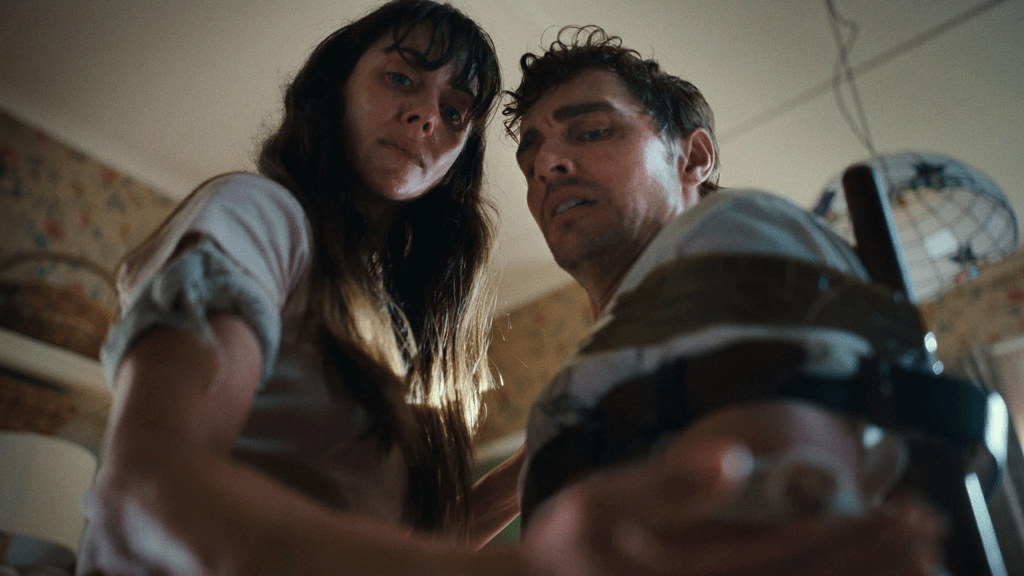
Together, directed by Michael Shanks and starring real-life couple Dave Franco and Alison Brie, is a unique blend of horror, body horror, romantic drama, and dark comedy. The film uses the horror genre—particularly the visceral discomfort of body horror—to explore the unsettling layers of codependency and relational trauma with surprising nuance.
Franco and Brie play Tim and Millie, a couple who’ve just relocated to a small, secluded town—a classic setup, but one that quickly twists into something more psychologically and physically invasive. Their real-life chemistry adds credibility to the on-screen relationship, grounding the film in a kind of natural intimacy that makes the unraveling all the more uncomfortable to watch. That intimacy is both the film’s greatest asset and its sharpest weapon.
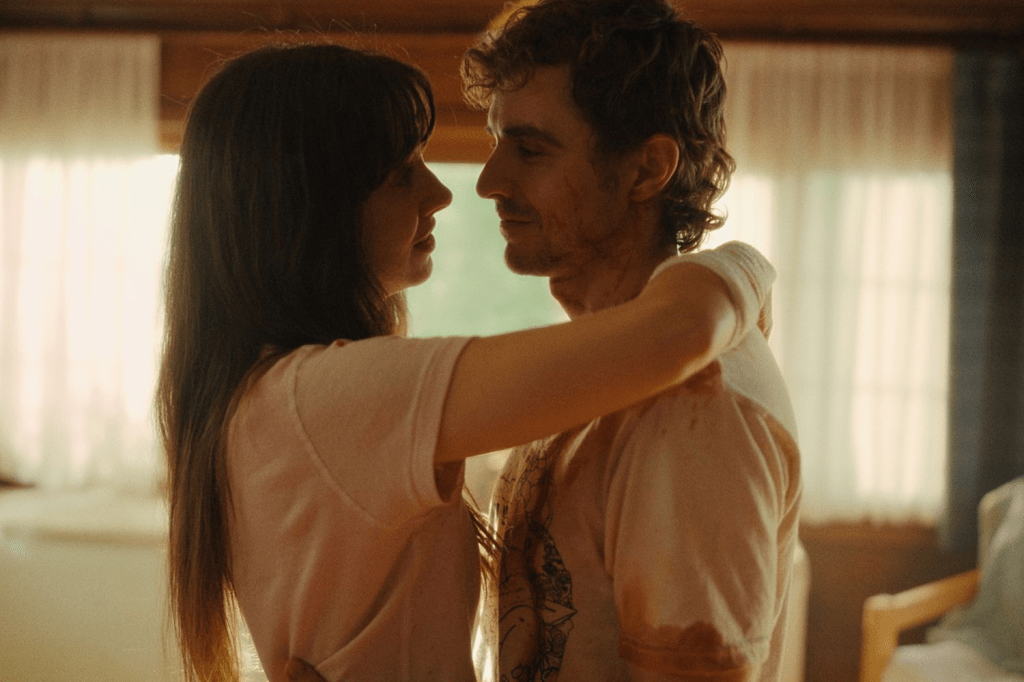
At its core, Together isn’t just about body horror—though there are moments of grotesque and discomforting imagery. It’s about the emotional horror of being with someone because you don’t know who you are without them. The film cleverly riffs on Plato’s myth from The Symposium—that humans were once whole beings split apart by the gods, forever doomed to search for their other half. This myth underpins much of the film’s thematic structure and is hauntingly embodied by the antagonist, Jaime (Damon Herriman), whose presence turns philosophical longing into something much darker.
A standout moment that encapsulates the film’s visual and emotional ambition comes shortly after Tim and Millie return from a night in a cave. Tim massages Millie’s back, a moment that escalates from intimate to uncomfortable, prompting her to leave for town. What follows is a masterfully edited sequence: as Millie drives, her turns on the road match-cut perfectly with Tim being slammed in the shower, disoriented and vulnerable. The use of cross-cutting here is precise and thematically rich—Millie, fully clothed and in control, juxtaposed against Tim’s nakedness and psychic disarray. It’s a striking visual metaphor for the emotional imbalance in their relationship.
The film makes bold choices, and while it may not reach the extreme body horror heights some might expect—especially following films like The Substance—that’s more a matter of shifting expectations than any failure on the film’s part. The marketing emphasized the horror elements well and did exactly what it needed to: it got people in seats. Rather than leaning into shock value, Together opts for something more psychological. The sounds, the isolation, the slow degradation of emotional boundaries—these linger longer than any gore could.
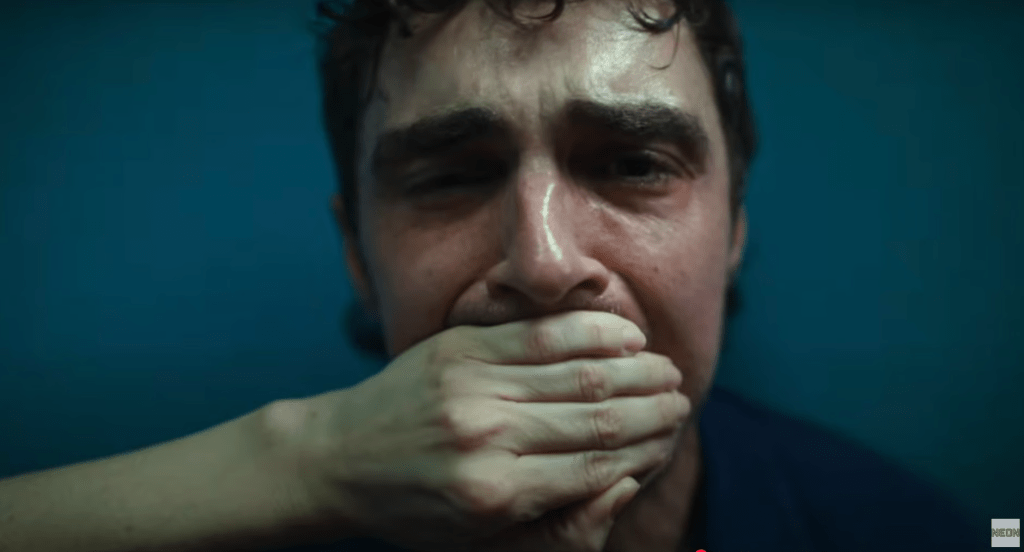
Much of the tension is rooted in subtle but sharp dialogue. A particularly insightful moment comes when Millie’s brother tells Tim he doesn’t want “someone else’s life flashing before his eyes” when he dies—a line that reverberates with meaning throughout the film. It’s these emotional daggers, rather than jump scares or violence, that give Together its true weight.
The film’s production also deserves praise. The cinematography beautifully captures both the serenity and menace of the rural setting. Nature feels both liberating and imprisoning—a duality reflected in the characters’ relationship. Shanks uses natural light, fast cuts, and tonal juxtapositions (often within the same scene) to emphasize chaos creeping into calm.
Though the story flirts with cult-like undertones and speculative mythology, some viewers may find that aspect underdeveloped. But for others, this choice will feel intentional—prioritizing the emotional allegory of codependency over over-explaining the horror mechanics. That ambiguity opens the door for discussion, interpretation, and possibly even a prequel or sequel.
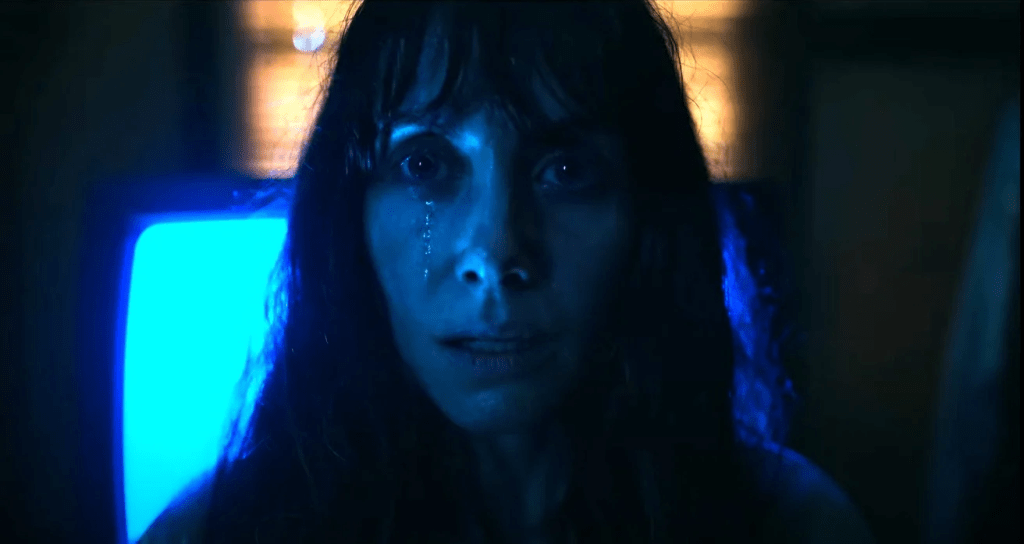
In light of recent controversy regarding similarities between Together and the short film Better Half, it’s worth noting that Shanks reportedly registered his screenplay in 2019—well before the pitch of the other project. These cases are often complicated, especially in a creative ecosystem where ideas evolve simultaneously. While both sides have told their stories, the documented timeline supports Shanks’ claim of originality. Hopefully, the surrounding discourse doesn’t overshadow the work itself.
In comparison to other recent genre entries—such as Coralie Fargeat’s The Substance—Together takes a more measured approach. The body horror here is tamer, but still effective. It leans more into metaphor than shock. And when CGI is used, it’s done with restraint and purpose. That said, the practical effects—when they appear—truly shine and offer a welcome homage to more tactile horror filmmaking.
The ending might divide audiences. It’s surreal and chaotic, but stops short of full implosion. Where The Substance leaned into bleak finality, Together walks a tighter line between hope and dread. There’s an optimism laced with something sinister—the kind of ending that sits with you longer than you expect, and might even take on new meaning with time.
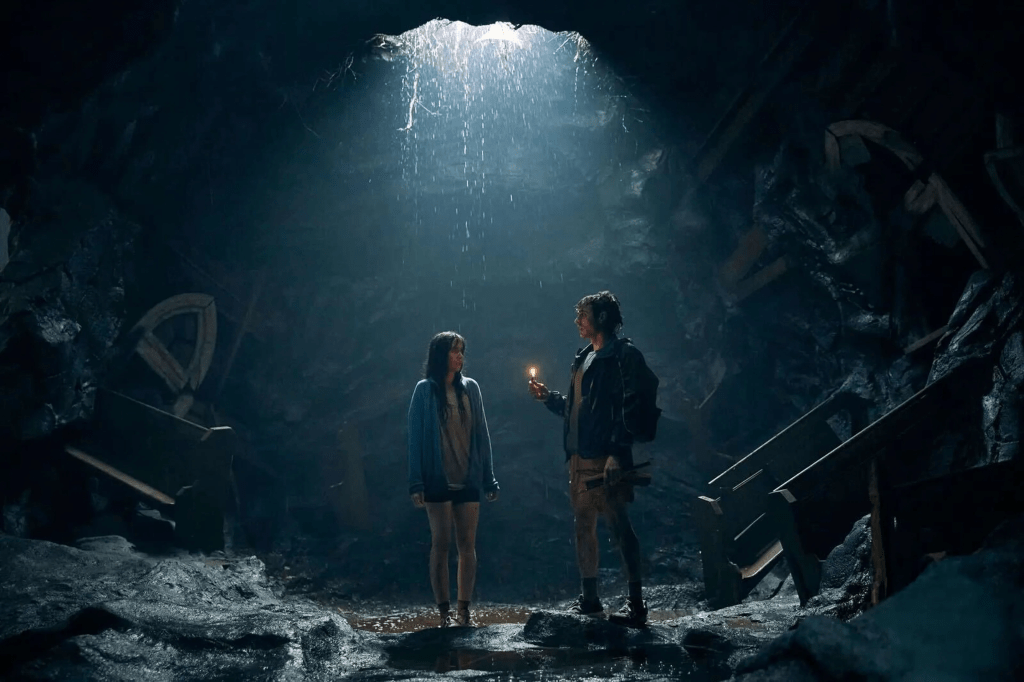
Ultimately, Together is a film about the instability of connection. It dissects trauma, commitment, and the complexity of shared identity in a relationship. While some may come for the horror, the real terror lies in the psychological excavation at its center. Brie and Franco carry the film with a balanced, co-dependent tension—intentionally or not—that feels both authentic and fragile.
This isn’t just a body horror film. It’s a mirror to the emotional disfigurements we accept in the name of love.
 818 Lens