Episode 1
Common People
Your Spouses New Subscription Plan
Black Mirror: Common People

Directed by: Ally Pankiw
Written by: Charlie Brooker
Starring: Chris O’Dowd, Rashida Jones, and Tracee Ellis Ross
Charlie Brooker continues his dark reign of terror over technology and the future it holds for society.
This time around, Black Mirror opens its seventh season with a haunting story about the commodification and exploitation of vulnerable lives. How far are you willing to go for someone you love—and for the version of their life that almost wasn’t?
Chris O’Dowd stars as Mike, a welder living a modest, content life with his wife Amanda (Rashida Jones), a schoolteacher. When Amanda is diagnosed with an inoperable brain tumor, Mike turns to an emerging tech startup for a solution.
Enter Gaynor (Tracee Ellis Ross), a representative—and byproduct—of Rivermind Technologies, a company offering a procedure that replaces parts of the brain with synthetic material powered by remote servers. It’s marketed as a miracle: keeping terminal patients like Amanda alive in a functional, upgraded form.
At first, Amanda’s recovery seems like a blessing—one made possible by Mike’s desperate love. But quickly, her new life becomes… monetized.
The episode unfolds as a sobering exploration of how far a working-class man is willing to go for the bare minimum his wife deserves. And at what cost?
Early on, Brooker also weaves in the theme of parenthood. Mike and Amanda have long struggled to conceive, and while it’s no secret how financially burdensome raising a child can be, the episode goes a step further—tying Amanda’s now-commercialized body and brain to the very idea of having a future child. The implications are chilling.
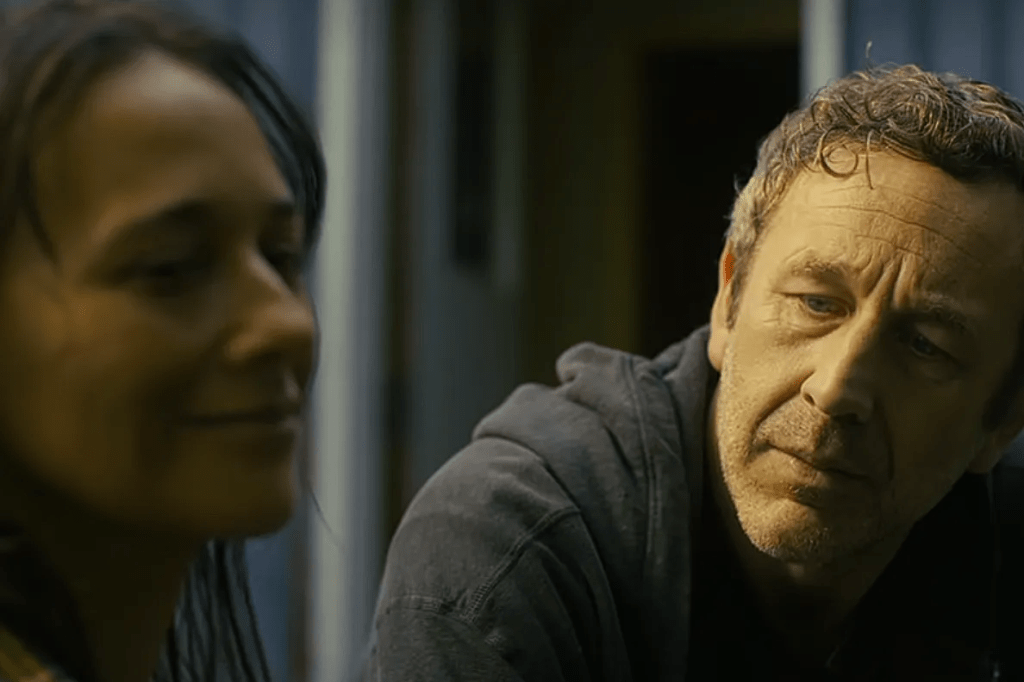
O’Dowd and Jones do an excellent job portraying the quiet perseverance of working-class life. They try to do everything “right”—budgeting, sacrificing, making ends meet—only to be crushed by a system designed to beat them down. Their chemistry and performances capture not just love, but the kind of resignation people live with when life throws them curveball after curveball.
Tracee Ellis Ross, meanwhile, is masterful as Gaynor—eerily warm and corporate in the same breath. As both a representative of Rivermind and a literal product of its procedure, she walks a fine line between empathy and exploitation.
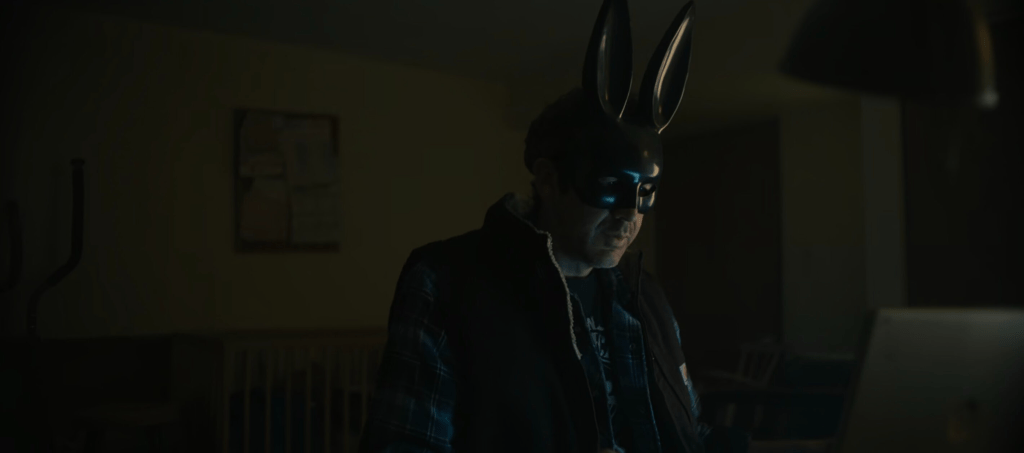
As tension builds, the episode grows more unnerving. With bills piling up, Mike turns to a dark web platform called Dum Dummies to make extra income. There, users pay to watch people perform degrading and humiliating acts on camera. It’s disturbing. It’s desperate. It’s capitalism in its rawest form.
Worse still, the Rivermind technology that saved Amanda comes with fine print. Despite initial promises, features like ad removal, emotional calibration, and increased “cognitive performance” are hidden behind subscription tiers. Mike is forced to “upgrade” his wife like an app—just to allow her to teach without spouting mid-lesson advertisements. Eventually, she’s fired from her job.
What follows is a slow unraveling. Financial strain, emotional distance, and the unbearable cost of sustaining Amanda’s artificial life wear them down. And yet, the one bright spot remains Juniper—a modest motel-restaurant where they celebrate their anniversary over burgers and live music. It’s in these scenes that O’Dowd and Jones shine the most, showing a couple scraping together joy in the face of suffocating hardship.
But there is no escape. Amanda’s condition becomes untenable. Mike loses his job. The cycle becomes permanent. In a gut-wrenching conclusion, Mike saves up for one final luxury package to give Amanda peace—only to ultimately smother her with a pillow as she delivers one last haunting advertisement.
He then walks into the next room with a box cutter in hand, leaving us to wonder what he’ll do next.
Common People is a strong, devastating start to a reenergized Black Mirror season. It tackles painfully real topics with dystopian flair, offering a sharp metaphor for the current healthcare system and how capitalism monetizes suffering. It’s especially chilling because it doesn’t feel that far off.
Brooker continues to masterfully leave us shaken—philosophically and emotionally—with questions we can’t answer. And thanks to powerhouse performances by O’Dowd, Jones, and Ross, this episode is guaranteed to connect with viewers on multiple levels. A grim, poignant, and sadly believable tale for our times.
 818 Lens